How AI Depth Masking in Photoshop Finally Solved My Portrait Background Problem

How AI Depth Masking in Photoshop Finally Solved My Portrait Background Problem

I’ve been doing post-production work for commercial clients for fifteen years. Portrait compositing, product retouching, ad-ready skin work. And there’s one problem that has eaten more of my billable hours than almost anything else: isolating a portrait subject from a busy background when the original shot has mediocre depth of field. You know the scenario. The photographer shot on a crop sensor, or the client approved a frame where the background separation is just… fine.

How Photoshop's Dynamic Text Tool Finally Solves the Text-Behind-Subject Problem

How Photoshop's Dynamic Text Tool Finally Solves the Text-Behind-Subject Problem

I’ve been doing text-behind-subject composites for clients since it became the default language of lifestyle advertising. You know the look: a model or product sits in front of a headline, the text tucks naturally behind them, and the whole thing reads as designed rather than pasted together. For years, my workflow involved manually painting masks, nudging layer order, and quietly cursing whenever the client sent a revised headline at the last minute and I had to rebuild the whole thing from scratch.

Photoshop's Updated Remove Tool Is the Closest Thing to Magic I've Added to My Workflow

Photoshop's Updated Remove Tool Is the Closest Thing to Magic I've Added to My Workflow

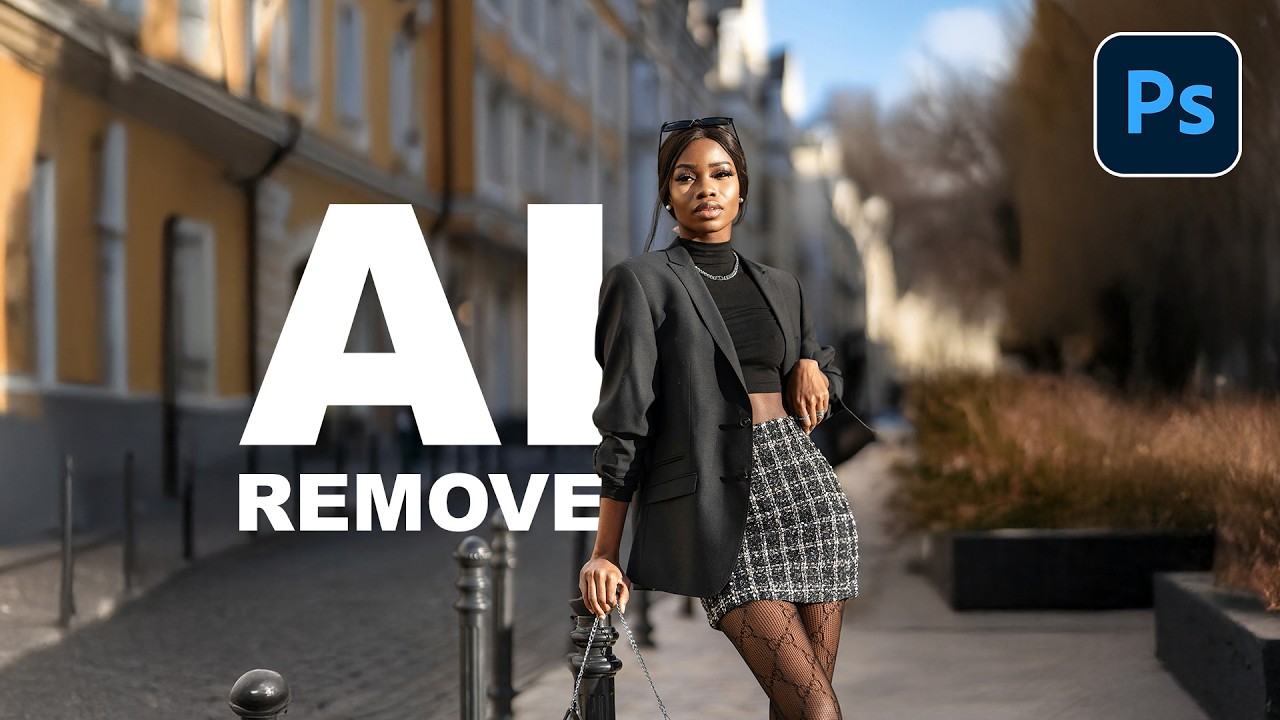
Last month I was working through a product shoot for a Chicago-based furniture client. Clean studio setup, nice light, solid images. But every single frame had the same problem: a small utility hook on the back wall that the art director had missed during the shoot. Forty-seven images. A hook that sat right at the edge of a gradient background, with just enough tonal variation around it to make the Healing Brush throw fits.

Depth Masking in Camera Raw Is the Portrait Separation Trick I Wish I'd Had Years Ago

Depth Masking in Camera Raw Is the Portrait Separation Trick I Wish I'd Had Years Ago

I’ve been doing post-production for ad agencies long enough to remember when separating a subject from their background meant either a careful pen tool path or a lot of hoping the photographer nailed the depth of field in camera. Neither option was fast. Neither was particularly forgiving if the client came back three rounds later wanting changes. Recently I was working through a batch of corporate headshots where the photographer had shot everything on a relatively tight 85mm at f/2.

Master the Light Blur Effect: A Non-Destructive Workflow in Photoshop

Master the Light Blur Effect: A Non-Destructive Workflow in Photoshop

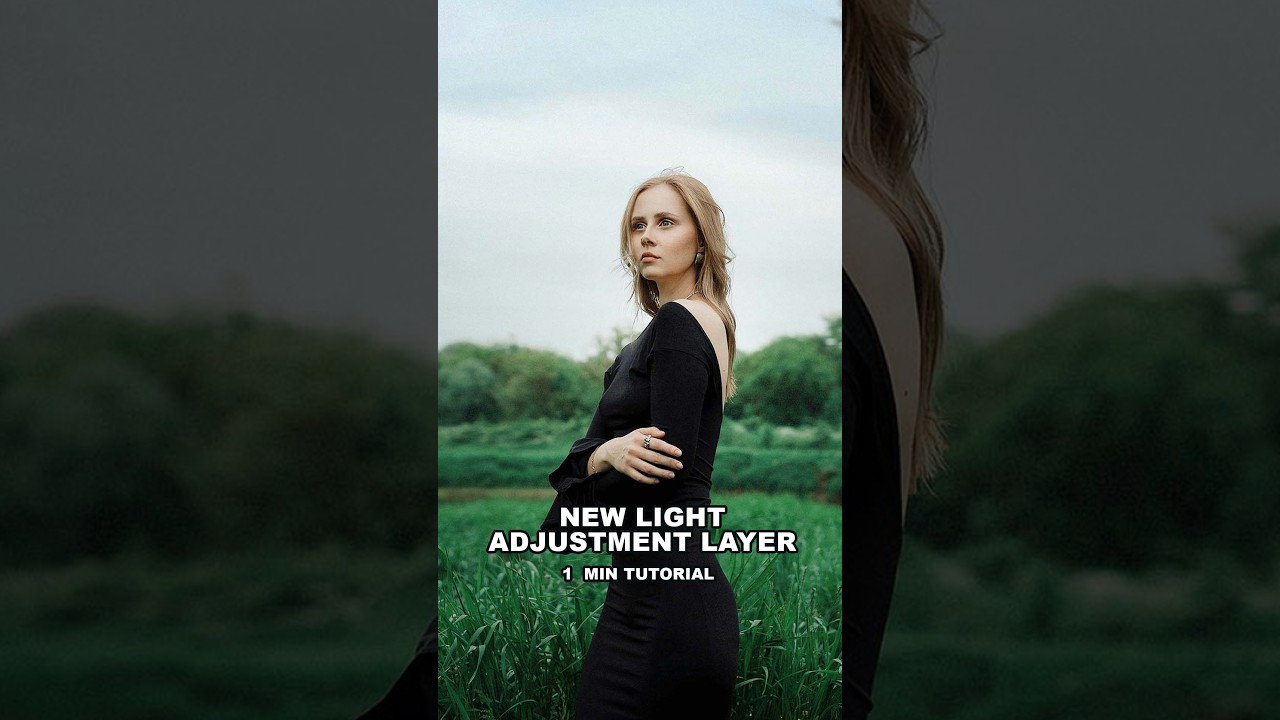
In this excellent tutorial, Aaron Nace (PHLEARN) walks through one of my favorite composite techniques: creating a high-end light blur effect that seamlessly integrates a subject with a background while maintaining professional focus control. What I love about this approach is how it demonstrates non-destructive editing principles throughout—meaning you can adjust nearly every element without permanently altering your work. I’ve used variations of this technique in countless portrait and composite projects, and it never gets old.

Building Custom Presets That Actually Stick: My Framework for Reusable Photoshop Workflows

Building Custom Presets That Actually Stick: My Framework for Reusable Photoshop Workflows

Building Custom Presets That Actually Stick: My Framework for Reusable Photoshop Workflows I’ve been using Photoshop for over a decade, and I can tell you with confidence: most people build presets wrong. They create them once, use them twice, and then forget they exist. The difference between a preset that gathers dust and one that genuinely transforms your workflow comes down to intentionality and testing. Why Your Current Presets Probably Aren’t Working Let me be honest.

Master Non-Destructive Texture Layering in Photoshop: A Complete Breakdown

Master Non-Destructive Texture Layering in Photoshop: A Complete Breakdown

Why Textures Matter in Modern Photography I’ve spent years watching photographers struggle with the “digital look” problem. You know the one—images that feel too clean, too sterile, lacking that tactile quality that draws viewers in. In this excellent tutorial, Aaron Nace (PHLEARN) demonstrates a game-changing approach to texture application that transformed how I approach post-processing. The beauty of textures isn’t just aesthetic. They add visual interest, create depth, and give your work that professional, editorial quality that clients notice.

Restoring Blurry Vintage Photos with Photoshop's Generative Upscale (One-Click Method)

Restoring Blurry Vintage Photos with Photoshop's Generative Upscale (One-Click Method)

I’ve spent the last few years watching AI integration transform Photoshop from a static tool into something genuinely intelligent. And honestly? The new Generative Upscale feature might be one of the most practical implementations I’ve seen yet. In this excellent tutorial, Aaron Nace (PHLEARN) walks through exactly how to take a blurry vintage photo and restore it to crisp, magazine-quality clarity in literally one click. Let me break down what you’re about to learn and why it matters for anyone sitting on a collection of old family photos or soft-focus film scans.

Remove Distractions in Photoshop in Minutes: Aaron Nace's Game-Changing Generative Fill Workflow

Remove Distractions in Photoshop in Minutes: Aaron Nace's Game-Changing Generative Fill Workflow

The Game-Changer for Photo Cleanup I’ve spent years testing different Photoshop retouching workflows, and I can tell you without hesitation: the method Aaron Nace demonstrates in this tutorial is genuinely one of the fastest ways to remove distractions from your images. What used to take 15-20 minutes of careful cloning and healing now takes just a couple of clicks. In this excellent tutorial, Aaron Nace (PHLEARN) reveals exactly how to leverage Photoshop’s Generative Fill with the Selection Brush tool to eliminate unwanted elements in seconds.

Master Non-Destructive Editing in Photoshop: A Professional Workflow Breakdown

Master Non-Destructive Editing in Photoshop: A Professional Workflow Breakdown

I’ll be honest: when I first started working in Photoshop, the fear of permanently destroying my work kept me from experimenting. One wrong flatten operation and hours of effort could vanish. That anxiety is exactly what In this excellent tutorial, Aaron Nace (PHLEARN) addresses head-on with “The Ultimate Guide to Non-Destructive Editing.” After diving deep into this course, I want to break down the key concepts and workflow strategies that transformed how I approach every Photoshop project.

Building Cinematic Worlds: A Matte Painting Workflow That Actually Works

Building Cinematic Worlds: A Matte Painting Workflow That Actually Works

I’ve been diving into matte painting techniques lately, and I’ve noticed something frustrating: most tutorials skip over the structural stuff. They show you the final result, but not the why behind the layering decisions and compositional choices that make a cinematic environment actually feel believable. That’s why I got genuinely excited learning about how professional concept artists like Killian Prevost approach this discipline from the ground up. It’s not just about beautiful renders—it’s about building a repeatable, organized workflow that scales whether you’re creating a game environment, film concept, or personal illustration.

Batch Automation in Photoshop: Process 100 Images While You Sleep

Batch Automation in Photoshop: Process 100 Images While You Sleep

Batch Automation in Photoshop: Process 100 Images While You Sleep I’ve spent countless hours watching Photoshop do the same thing over and over. Resize, color correct, add a watermark, export. Resize, color correct, add a watermark, export. About six months ago, I decided this was insane and dived deep into batch automation. What I discovered completely changed how I approach production work. If you’re still manually applying the same edits to dozens or hundreds of images, you’re wasting time you could spend on actual creative decisions.