Samsung T9 vs SanDisk Extreme Pro vs Crucial X9 Pro — Best SSD for Photoshop Users

Samsung T9 vs SanDisk Extreme Pro vs Crucial X9 Pro — Best SSD for Photoshop Users

Samsung T9 vs SanDisk Extreme Pro vs Crucial X9 Pro — Best SSD for Photoshop Users I’ve been shooting, editing, and testing gear for years, and I can tell you that your storage solution matters way more than most photographers realize. A sluggish drive doesn’t just slow you down—it kills your creative momentum. You’re waiting for scratch disks to allocate, watching progress bars instead of tweaking curves, and honestly? That friction adds up.

Restoring Blurry Vintage Photos with Photoshop's Generative Upscale (One-Click Method)

Restoring Blurry Vintage Photos with Photoshop's Generative Upscale (One-Click Method)

Client calls me last spring asking if I can restore a handful of old family photos for a campaign about heritage and legacy. The images are small, soft, and shot on film sometime in the 1970s. I’ve done this kind of work before, and historically it means a combination of sharpening passes, manual frequency separation, and a lot of squinting. It’s slow. It’s imperfect. And when the client wants a 24x36 print out of a 600-pixel scan, there’s only so much you can do before the physics of resolution just say no.

Remove Distractions in Photoshop in Minutes: Aaron Nace's Game-Changing Generative Fill Workflow

Remove Distractions in Photoshop in Minutes: Aaron Nace's Game-Changing Generative Fill Workflow

E-commerce clients don’t care about scaffolding. They don’t care about the stray tripod leg that crept into the corner of your shot, or the shadow a light stand threw across an otherwise clean background. They care about the product, the model, the scene. Everything else is noise, and removing that noise used to eat serious time. I’ve had jobs where cleanup work accounted for nearly a third of my total post-production hours.

How to Record Complex Multi-Step Actions

How to Record Complex Multi-Step Actions

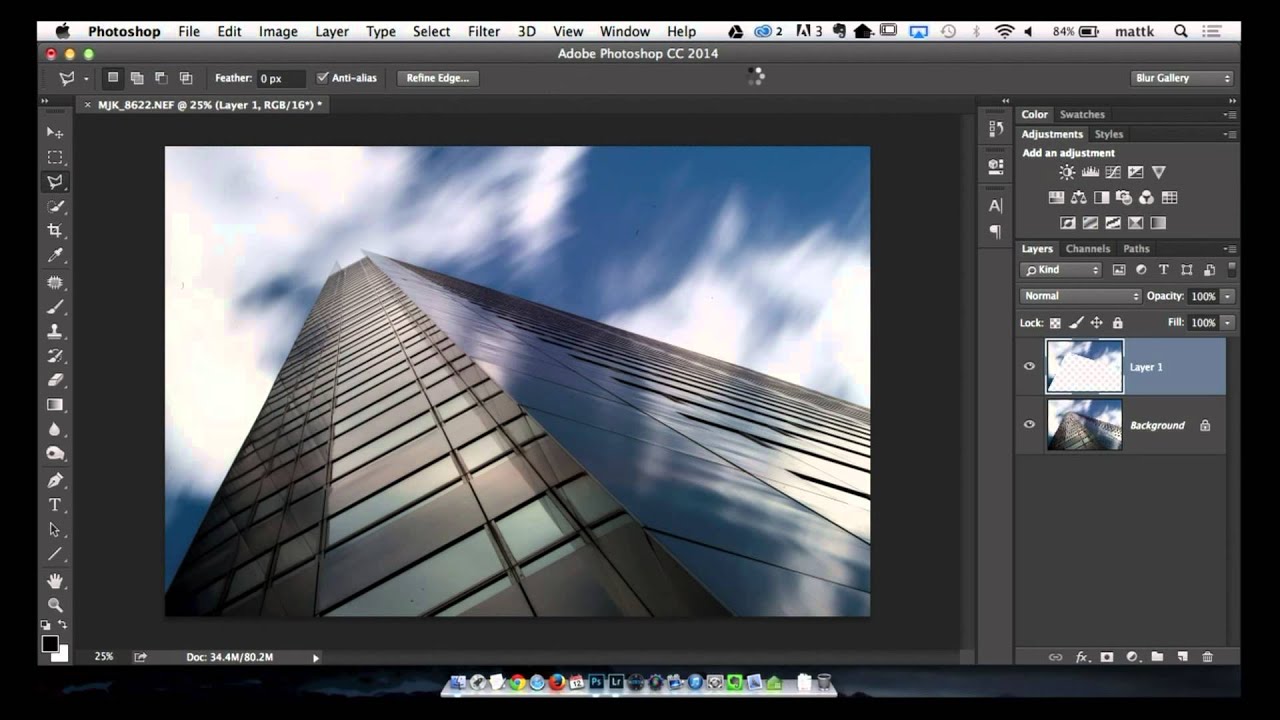
Recording a simple Photoshop action is straightforward — hit record, do your steps, hit stop. But complex multi-step actions that work reliably across different images require planning and a few techniques most people skip. Plan Before You Record The biggest mistake is hitting the record button and figuring it out as you go. Complex actions need a written plan. Open a text file and list every step in order. Note which steps need user input (like selecting an area) and which should run automatically.

PiXimperfect Built an AI That Retouches the Impossible — Here's What It Means

PiXimperfect Built an AI That Retouches the Impossible — Here's What It Means

I’ve been following Unmesh Dinda’s work on PiXimperfect for years now, and the man has a talent for making Photoshop do things it probably wasn’t designed to do. But this latest project is different. He’s gone beyond Photoshop tutorials and built an actual AI-powered retouching tool that tackles the kinds of edits that make even experienced retouchers groan. The video is a full walkthrough of the tool in action, and after watching it twice, I want to break down what’s happening here — both the technical achievement and the broader implications for anyone who retouches professionally.

Photoshop Scripts vs Actions: Which Should You Use

Photoshop Scripts vs Actions: Which Should You Use

Actions and scripts are both automation tools in Photoshop, and they overlap enough in capability to cause confusion. But they serve different purposes, and choosing the right one for a task matters. Actions: Record and Replay Actions record a linear sequence of steps and replay them exactly. You don’t write code — you perform the steps manually while Photoshop records, then it plays them back. Strengths: Zero programming required Easy to create, modify, and share Visual editing in the Actions panel Can include dialog stops for user input Support conditional actions (Insert Conditional from the panel menu) Limitations:

Photoshop Actions: The Workflow Game-Changer I Wish I'd Discovered Earlier

Photoshop Actions: The Workflow Game-Changer I Wish I'd Discovered Earlier

Photoshop Actions: The Workflow Game-Changer I Wish I’d Discovered Earlier I spent three years doing the same thing every single day: open an image, resize it to 1200x800, add a subtle vignette, boost saturation by 12%, and export as JPEG. Three years of mindless clicking. Then I discovered Photoshop actions, and honestly, I felt a bit foolish for not exploring them sooner. If you’re not using actions yet, you’re leaving serious productivity on the table.

Photoshop Actions: The Game-Changer Your Workflow Needs (If You Use Them Right)

Photoshop Actions: The Game-Changer Your Workflow Needs (If You Use Them Right)

Photoshop Actions: The Game-Changer Your Workflow Needs (If You Use Them Right) I used to spend roughly 12 hours a week on repetitive Photoshop tasks. Resizing batches of product photos. Applying the same color correction to 50 real estate listings. Adding watermarks to portfolio images. Then I actually sat down and built a proper action library, and I genuinely can’t overstate the impact—those 12 hours became maybe 2. The catch? Most people don’t use Photoshop actions effectively.

Photoshop Actions: Building Your First Automation That Actually Saves Time

Photoshop Actions: Building Your First Automation That Actually Saves Time

I’ve watched countless designers create their first Photoshop action with unrealistic expectations. They think they’ll automate everything in five minutes and reclaim hours of their life. Then reality hits—the action breaks on the second image, or it works perfectly on their machine but fails for their team. After building hundreds of actions across different projects, I’ve learned what separates functional automations from genuinely useful ones. Let me share what actually works.

Photoshop Actions: Building Your First Automation Library

Photoshop Actions: Building Your First Automation Library

Photoshop Actions: Building Your First Automation Library I’ve watched countless photographers and designers download massive action packs, use them once, then abandon them because they don’t fit their actual workflow. The problem isn’t the actions themselves—it’s that most people approach automation backward. They try to fit their work into pre-built tools instead of building tools around their work. Let me show you how to do this right. Why Most Actions Fail (And How to Avoid It) Here’s the honest truth: generic action packs fail because they make assumptions about your setup.

Photoshop Actions: Building a Workflow That Actually Saves Time

Photoshop Actions: Building a Workflow That Actually Saves Time

I’ll be honest—my first experience with Photoshop actions was disappointing. I recorded a simple color correction routine, hit play, and watched it fail spectacularly on the next image. The problem wasn’t actions themselves; it was that I didn’t understand how to build them properly. After years of refining my process, I’ve learned that actions aren’t just convenient shortcuts. They’re the difference between spending three hours on repetitive edits and spending thirty minutes.

Photoshop Actions: Building a Repeatable Workflow That Actually Saves Time

Photoshop Actions: Building a Repeatable Workflow That Actually Saves Time

I’ll be honest—my first Photoshop action was a disaster. I recorded myself adjusting levels, applying a filter, and resizing an image, thinking I’d save hours. When I played it back on a different photo, it completely mangled the colors and cropped half the subject out of frame. That failure taught me something crucial: Photoshop actions aren’t magic. They’re powerful when you understand what you’re actually recording. Let me share what I’ve learned over years of building workflows that genuinely stick around in my regular rotation.