Camera Prices Are Climbing and the Entry-Level Market Is Shrinking — Here's What Photographers Need to Know

Camera Prices Are Climbing and the Entry-Level Market Is Shrinking — Here's What Photographers Need to Know

Every few years something shifts in the gear market that quietly changes how I advise clients on equipment budgets. I’ve been doing commercial post-production for fifteen years, and I’ve watched the DSLR era peak, mirrorless cannibalize it, and smartphone cameras eat the bottom of the market alive. But what’s happening right now feels different, and I wasn’t fully tracking the cause until I sat down with this Tony & Chelsea Northrup breakdown.
Stop Shooting Blind: How In-Camera Picture Styles Can Replace Half Your Post-Production

Stop Shooting Blind: How In-Camera Picture Styles Can Replace Half Your Post-Production

Fifteen years of sitting behind a monitor has taught me one thing above almost everything else: the less you have to fix in post, the more time you have to shoot, refine, and actually think. I track my saved hours obsessively, and the biggest gains rarely come from a faster action or a smarter batch script. They come from decisions made at the point of capture. That is why, when I first watched RC walk through in-camera picture styles in this KelbyOne tutorial, something clicked for me in a way it probably should have years earlier.

Lightroom Presets That Actually Respect Your Exposure: A Breakdown of Tony & Chelsea Northrup's Technical + Creative System

Lightroom Presets That Actually Respect Your Exposure: A Breakdown of Tony & Chelsea Northrup's Technical + Creative System

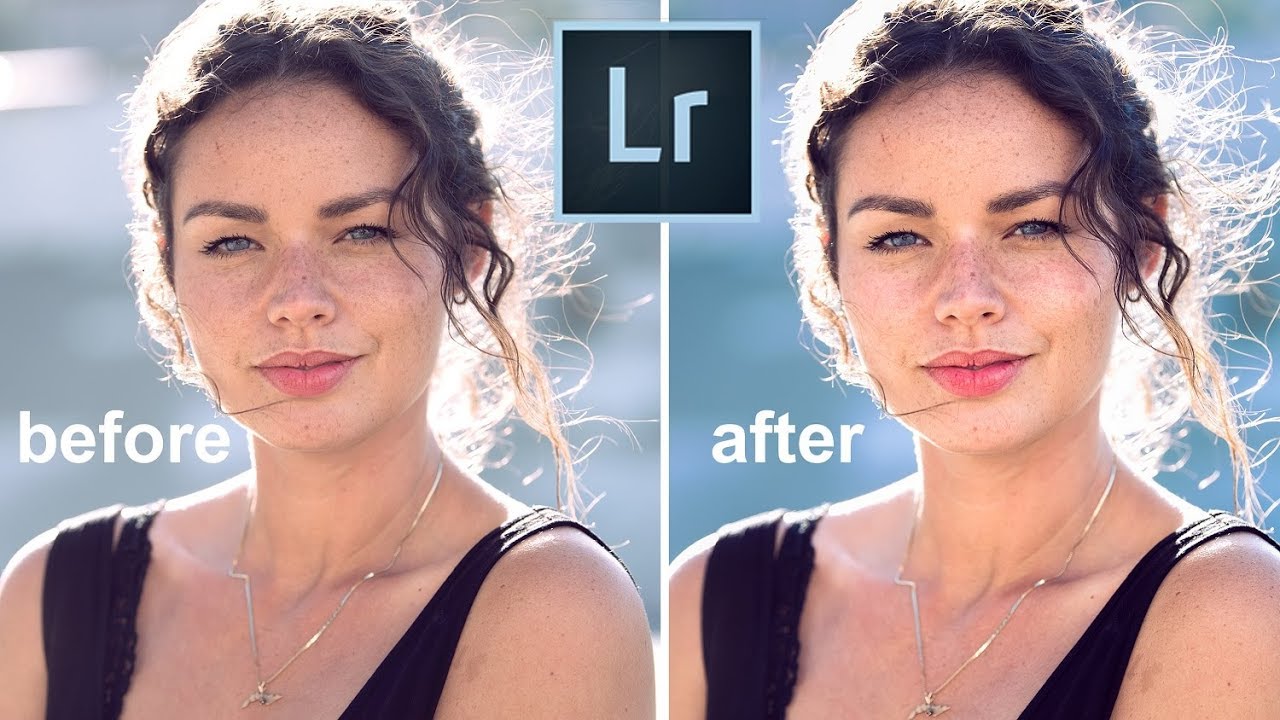
I have a spreadsheet that tracks every hour I’ve recovered through smarter post-production workflows. After fifteen years of processing images for ad agencies and e-commerce brands, I know exactly what bad preset design costs: blown exposures, wrecked color grades, and a growing sense of dread every time a client sends a folder of 800 RAW files. The specific problem I keep running into with off-the-shelf Lightroom presets is that they fight your exposure instead of working with it.

When the Wrong Camera Teaches You the Right Workflow Lesson

When the Wrong Camera Teaches You the Right Workflow Lesson

There’s a version of this post where I talk about megapixels and autofocus systems. This isn’t that post. In this Mark Denney tutorial, the gear is almost beside the point, and that’s exactly why I kept thinking about it long after I watched it. I spend most of my working hours in Photoshop, building batch systems and actions for clients who need 500 product shots processed consistently before Friday afternoon. Efficiency is the whole game.

How I Stopped Living in Fear of Hard Drive Failure (And Built a Workflow That Actually Scales)

How I Stopped Living in Fear of Hard Drive Failure (And Built a Workflow That Actually Scales)

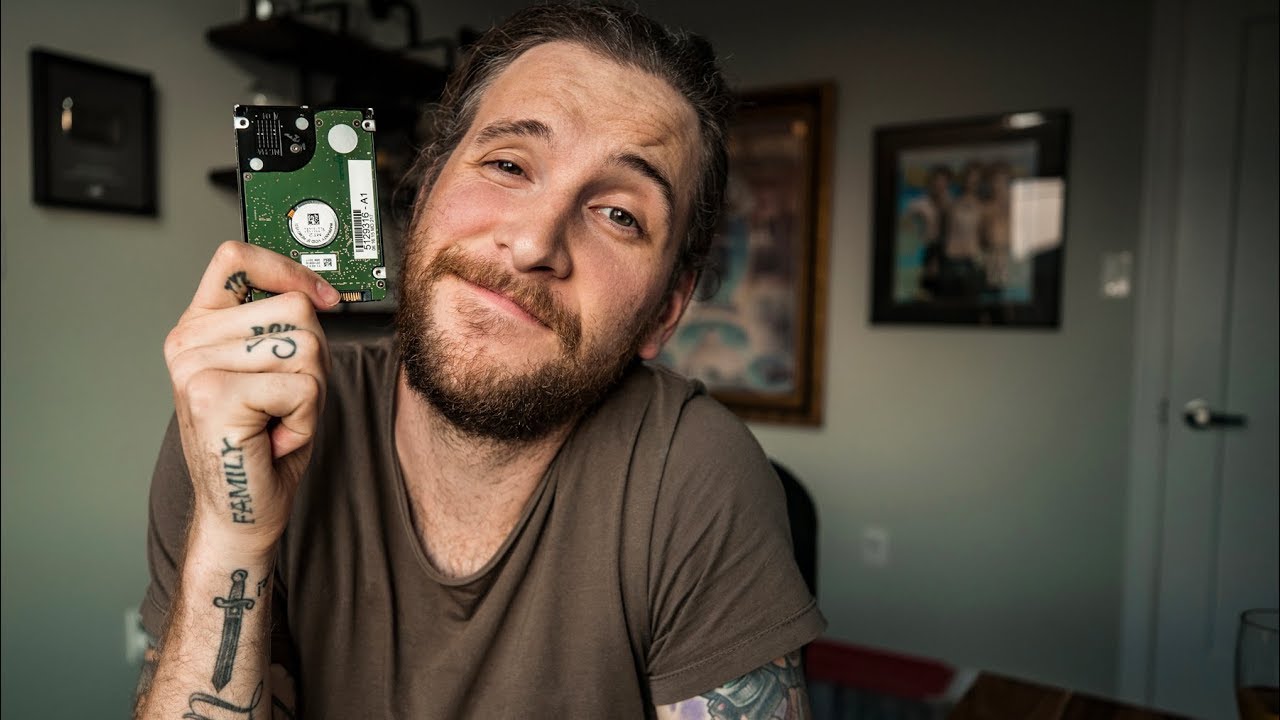
I have backup drives for my backup drives. My colleagues find this funny until one of them loses a shoot. I’ve been color-coding storage drives and labeling them obsessively since my early days in commercial studios, and the habit has saved me more than once. So when I came across Watch the full tutorial on YouTube from Peter McKinnon, where he walks through exactly how a single rugged drive failure nearly took down his entire library, it hit close to home.

Music, Copyright, and the Lightroom Workflow Detail Most Photographers Overlook

Music, Copyright, and the Lightroom Workflow Detail Most Photographers Overlook

There’s a part of the post-production process most photographers treat as an afterthought: the slideshow. You’ve culled, edited, color-graded, exported, and then you drop in whatever song felt right, burn a video, and send it to the client. I did exactly that for the first few years of my career, and I was lucky nobody called me on it. When I finally sat down with Jared Platt’s Ultimate Lightroom Workflow workshop on CreativeLive, I expected to walk away with faster culling techniques and better export settings.

How Two Pros Edit 2,500 Travel Photos Without Losing Their Minds (Or Their Weekend)

How Two Pros Edit 2,500 Travel Photos Without Losing Their Minds (Or Their Weekend)

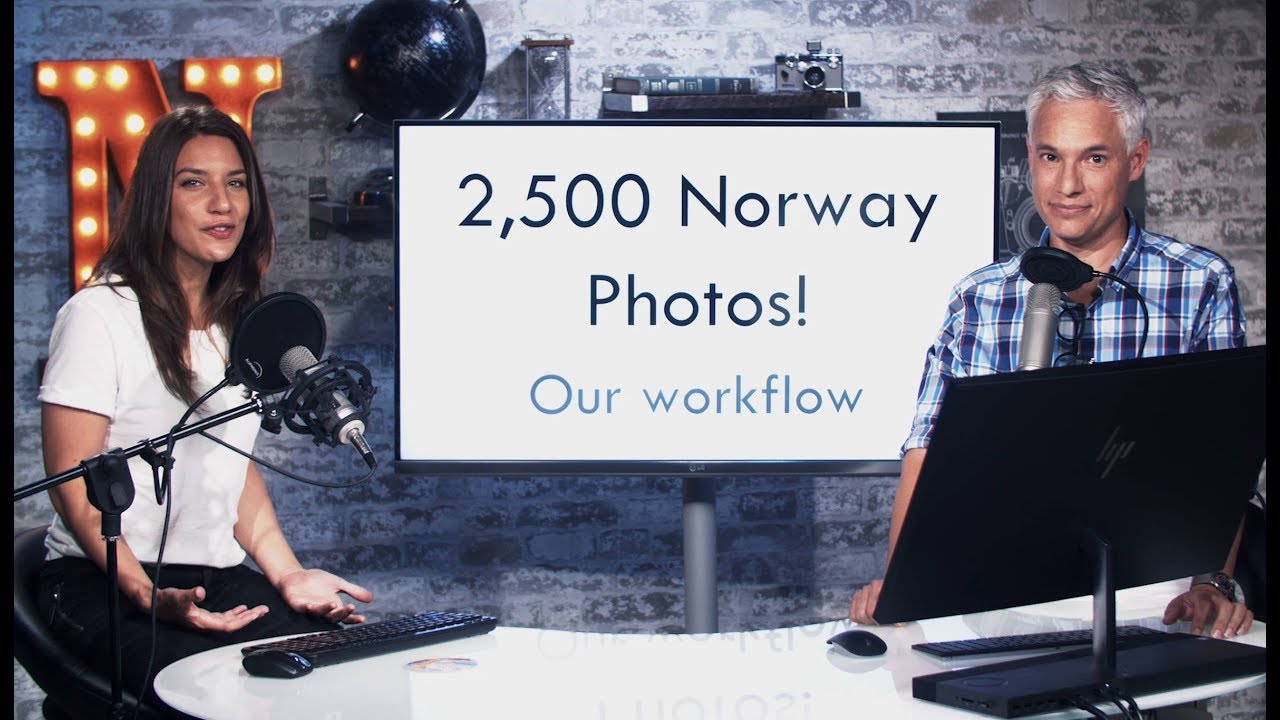
There’s a particular kind of dread that hits when you get home from a big shoot and the card reader is blinking at you. I’ve felt it after commercial jobs, after personal projects, and I’ve watched it paralyze photographers who simply don’t have a repeatable system. The question isn’t whether you have 300 photos or 2,500. The question is whether your workflow scales. After fifteen years running post-production for ad agencies and e-commerce clients, I can tell you the answer is almost always: your workflow doesn’t scale until you deliberately build one that does.

What Anne Geddes' 2016 Calendar Shoot Teaches Us About Directing and Capturing Unpredictable Subjects

What Anne Geddes' 2016 Calendar Shoot Teaches Us About Directing and Capturing Unpredictable Subjects

There’s a particular kind of pressure that comes with shooting a calendar. The deadline is fixed, the concept is locked, and every image has to carry weight on its own because each one gets thirty days of eyeball time on someone’s wall. I’ve assisted on enough commercial campaigns to know that the shoots that look the most effortless in the final product were usually the most exhausting to pull off. That’s exactly why I keep coming back to behind-the-scenes footage from photographers who’ve mastered that gap between chaos and control.

Back Button Focus Is a Tool, Not a Religion — Here's How to Decide What's Right for You

Back Button Focus Is a Tool, Not a Religion — Here's How to Decide What's Right for You

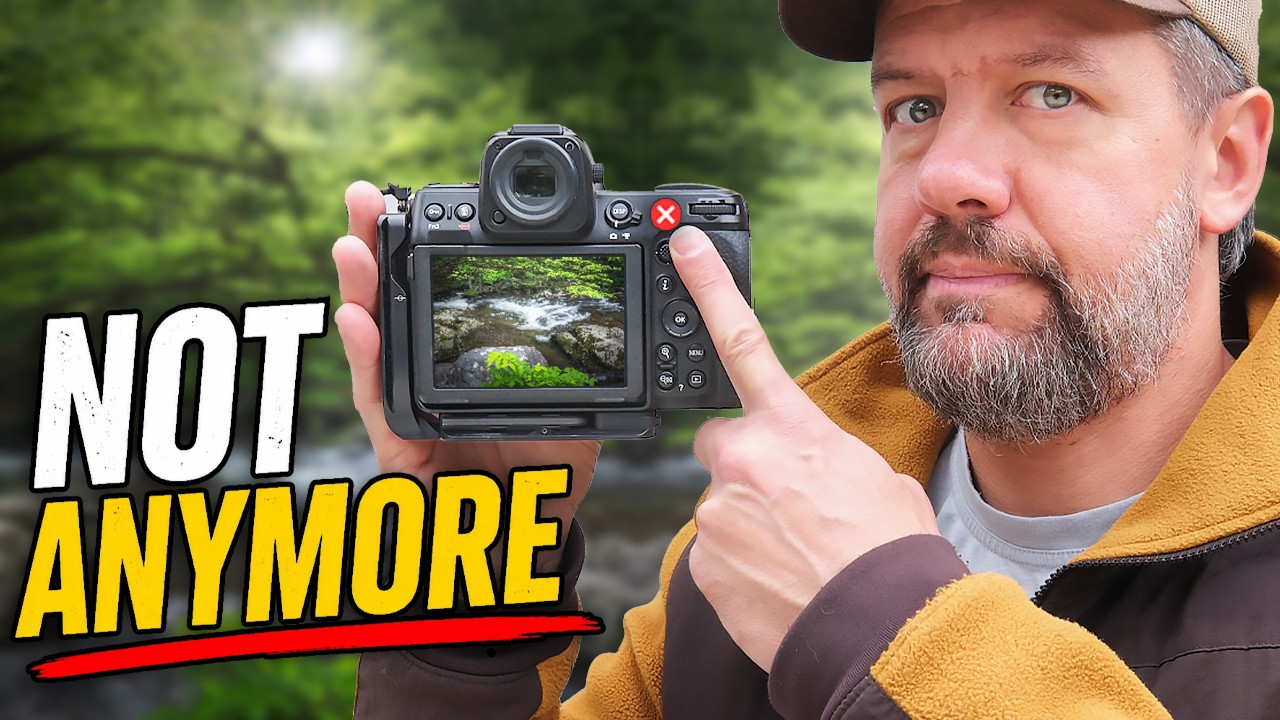
I keep a spreadsheet that tracks every hour my Photoshop actions have saved me. I color-code my backup drives. I have a system for everything. So when I say that I spent years using a camera setting without ever stopping to ask whether it was actually helping me, that should tell you something about how deeply the mythology of back button focus runs in photography culture. Watch the full tutorial on YouTube