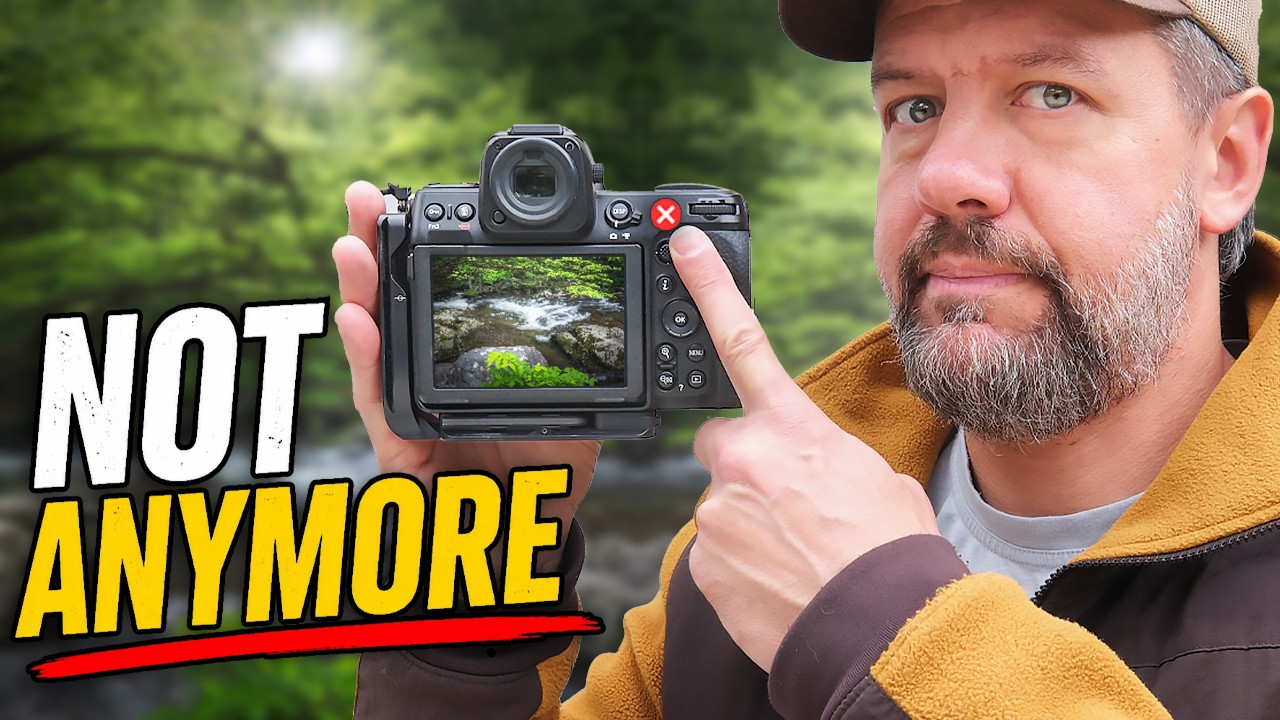
I keep a spreadsheet that tracks every hour my Photoshop actions have saved me. I color-code my backup drives. I have a system for everything. So when I say that I spent years using a camera setting without ever stopping to ask whether it was actually helping me, that should tell you something about how deeply the mythology of back button focus runs in photography culture.
Watch the full tutorial on YouTube
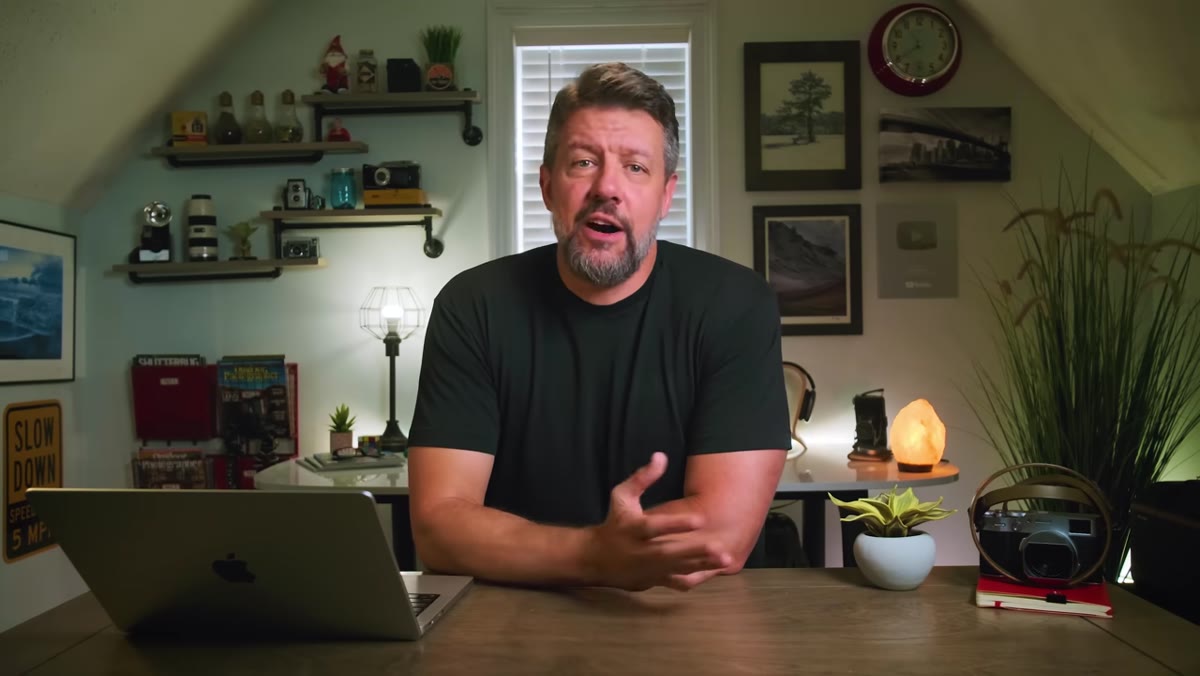
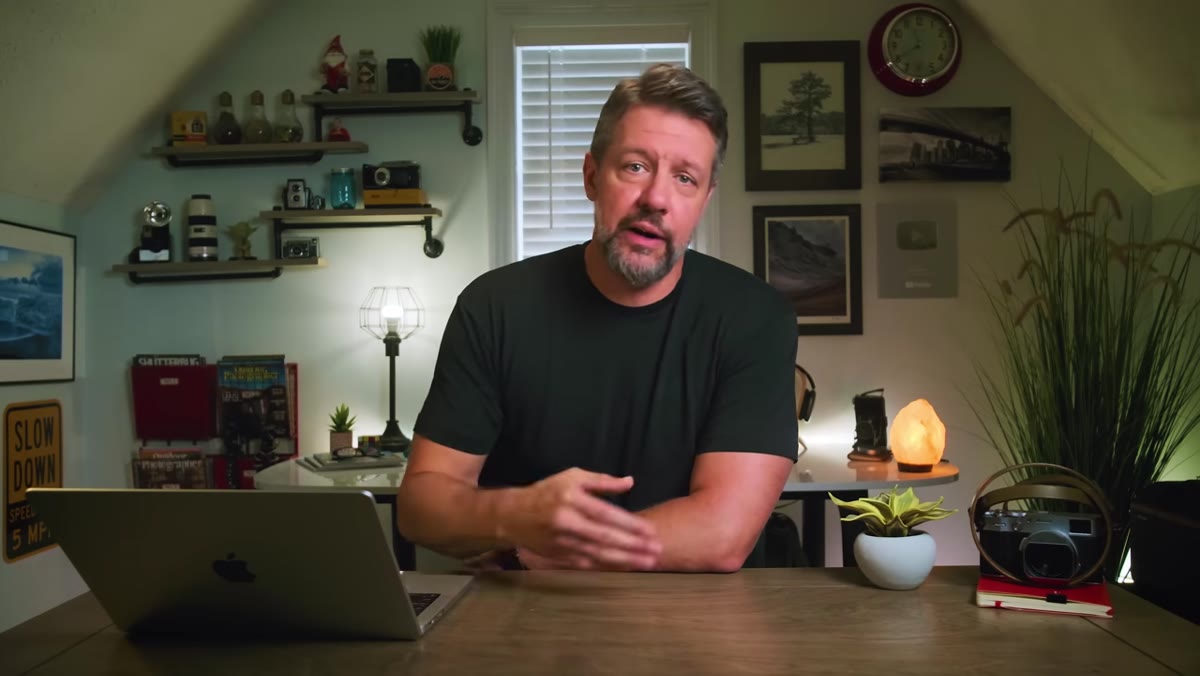
Mark Denney recently put out a video that I think every photographer should sit with, not because it tells you to stop using back button focus, but because it forces you to ask whether you ever chose that setting deliberately or just inherited it. Coming from a commercial studio background, my instinct is always to interrogate my workflow. Does this step earn its place? Is this button doing something, or am I just performing the ritual of being a “serious photographer”? Denney asks exactly that question about back button focus, and his answer is more nuanced than the usual takes on either side.
Step 1: Understand What Back Button Focus Actually Solved
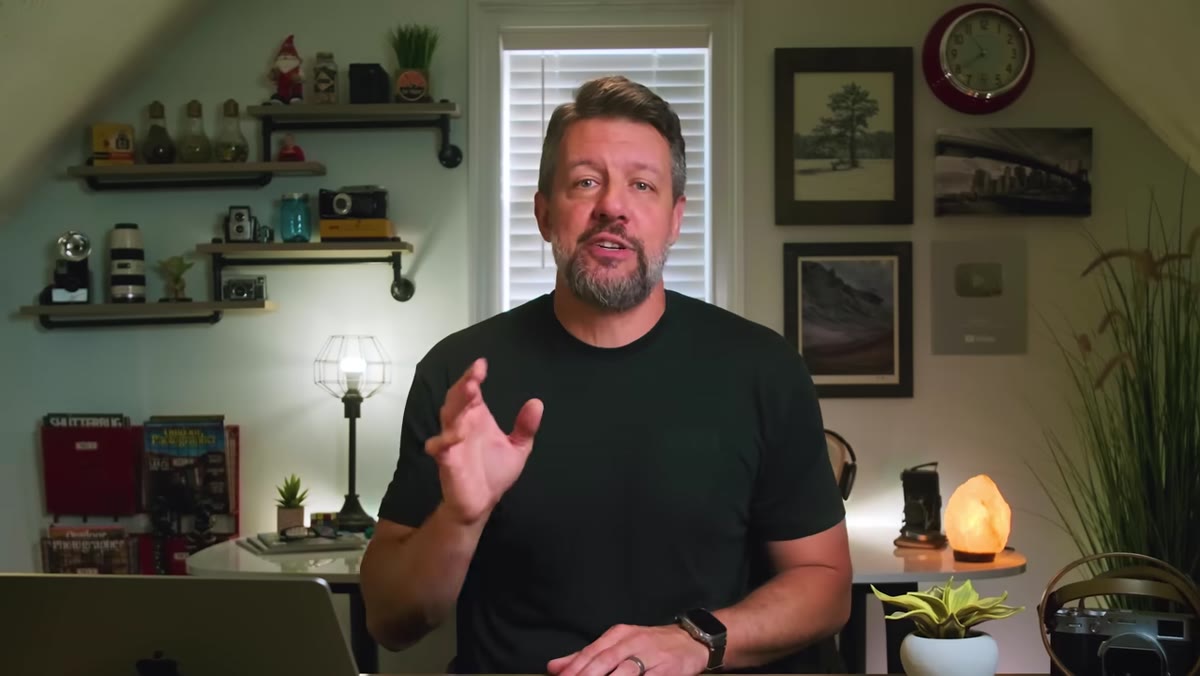 Diagram showing autofocus separation from shutter button on DSLR
Back button focus became popular during the DSLR era because autofocus systems at that time were genuinely unreliable. By moving autofocus activation off the shutter button and onto a rear thumb button (typically the AF-ON button), photographers stopped their camera from hunting for a new focus point every time they half-pressed to shoot. That separation gave them real control: press the back button to acquire focus, release it to lock focus, then shoot as many frames as you want without the camera second-guessing you.
Diagram showing autofocus separation from shutter button on DSLR
Back button focus became popular during the DSLR era because autofocus systems at that time were genuinely unreliable. By moving autofocus activation off the shutter button and onto a rear thumb button (typically the AF-ON button), photographers stopped their camera from hunting for a new focus point every time they half-pressed to shoot. That separation gave them real control: press the back button to acquire focus, release it to lock focus, then shoot as many frames as you want without the camera second-guessing you.
For fast-moving subjects, that logic still holds completely. Wildlife, sports, birds in flight – anything where you might want to continuously track a subject with your thumb while your index finger fires independently. Denney is clear that he is not arguing against back button focus for those situations. The question is whether those situations describe your actual shooting.
Step 2: Audit How You Actually Use Autofocus in the Field
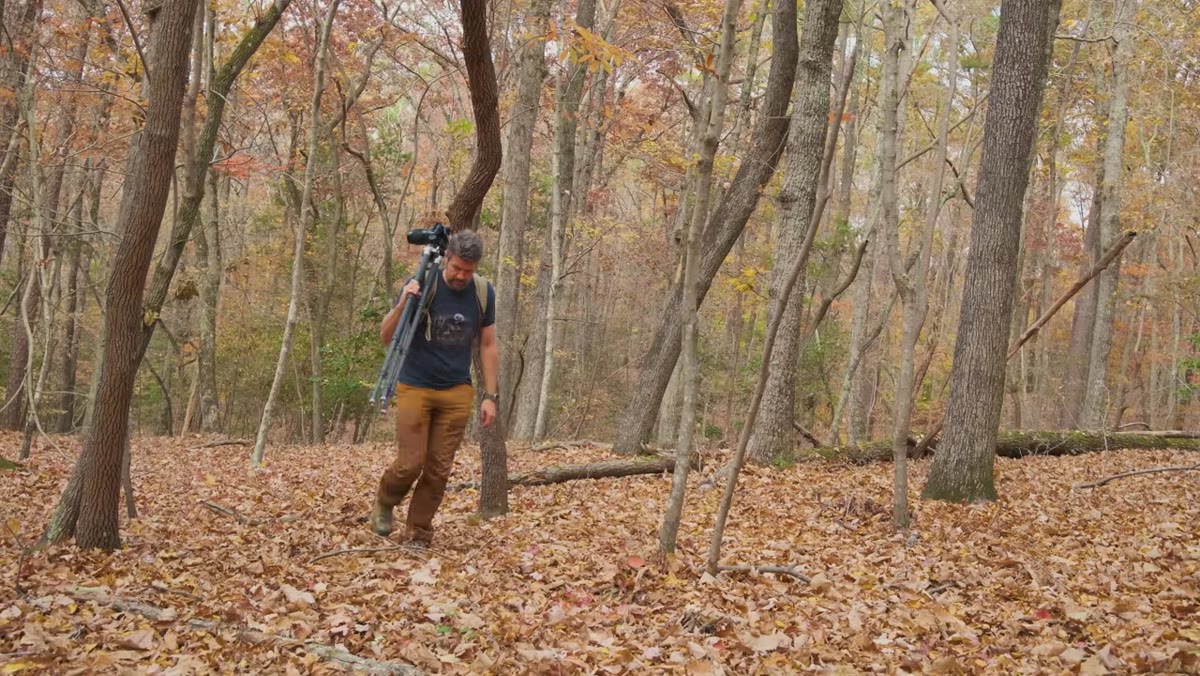 Mark Denney at a landscape location, camera on tripod, static scene
Denney describes his real landscape photography process: hike to a location, find a composition, choose a focus point, acquire focus once, then shift attention to light, timing, filters, and exposure blending. Focus is set. Focus does not change. Nobody is asking him to track anything.
Mark Denney at a landscape location, camera on tripod, static scene
Denney describes his real landscape photography process: hike to a location, find a composition, choose a focus point, acquire focus once, then shift attention to light, timing, filters, and exposure blending. Focus is set. Focus does not change. Nobody is asking him to track anything.
If that sounds like your process, write it down. Literally audit it. The point is not to feel guilty about your current setup but to check whether a two-button focus system is solving a problem you actually have. In a commercial product photography context, I run into this constantly – photographers using multi-point continuous AF to photograph objects sitting on a white sweep. The camera is doing a lot of work to solve a problem that does not exist in that frame.
Step 3: Recognize When the “Pro Setting” Became a Badge
 Screen text highlighting social influence on camera settings decisions
This is the part of Denney’s video that landed hardest for me. He describes the way back button focus shifted from being a practical tool to being a signal – something photographers adopted because other photographers told them serious shooters use it. He includes himself in that. He set up every camera he owned for back button focus before ever asking whether it improved his images.
Screen text highlighting social influence on camera settings decisions
This is the part of Denney’s video that landed hardest for me. He describes the way back button focus shifted from being a practical tool to being a signal – something photographers adopted because other photographers told them serious shooters use it. He includes himself in that. He set up every camera he owned for back button focus before ever asking whether it improved his images.
Workflow decisions should be made the same way you evaluate any tool: what problem does it solve, and do I have that problem? When I built my first Photoshop action at 26, the rule I set for myself was simple – if I am doing the same manual step more than three times, I automate it. The same logic applies here. If separating autofocus from the shutter is solving a real, recurring problem in your shooting, keep it. If it is just adding a step, you are not a more serious photographer for keeping it.
Step 4: Understand How Mirrorless Changed the Math
 Side-by-side comparison of DSLR vs mirrorless autofocus acquisition speed
Modern mirrorless autofocus systems are dramatically faster and more accurate than what was available during the peak years of back button focus adoption. Phase-detect pixels covering the full sensor, subject recognition, eye tracking – these systems are designed to acquire focus correctly the first time, reliably. The original problem back button focus was engineered around has, in many shooting scenarios, already been solved by the camera itself.
Side-by-side comparison of DSLR vs mirrorless autofocus acquisition speed
Modern mirrorless autofocus systems are dramatically faster and more accurate than what was available during the peak years of back button focus adoption. Phase-detect pixels covering the full sensor, subject recognition, eye tracking – these systems are designed to acquire focus correctly the first time, reliably. The original problem back button focus was engineered around has, in many shooting scenarios, already been solved by the camera itself.
For landscape photographers specifically, this matters. When you half-press the shutter on a modern mirrorless body aimed at a static mountain, the camera is not going to hunt or drift or grab the wrong plane the way an older DSLR might have. It locks fast and locks accurately. The argument for adding a separate thumb-button step to that process gets thinner when the underlying technology has moved on.
Step 5: Know the Situations Where Back Button Focus Still Wins
 Wildlife photography scenario showing continuous subject tracking in use
Denney is careful here, and so should we be. For anything unpredictable and continuously moving, back button focus remains a genuinely superior approach. The reason is ergonomic and practical: you can continuously hold the AF-ON button to track a subject, then release it the moment you want to hold focus on a specific frame. Your shutter finger operates completely independently. That separation is meaningful when your subject is a bird changing direction mid-flight, not when it is a tidal pool.
Wildlife photography scenario showing continuous subject tracking in use
Denney is careful here, and so should we be. For anything unpredictable and continuously moving, back button focus remains a genuinely superior approach. The reason is ergonomic and practical: you can continuously hold the AF-ON button to track a subject, then release it the moment you want to hold focus on a specific frame. Your shutter finger operates completely independently. That separation is meaningful when your subject is a bird changing direction mid-flight, not when it is a tidal pool.
The takeaway from this step is not “pick one method and defend it forever” but rather “understand what each method is optimized for.” Some photographers shoot both wildlife and landscapes and choose to maintain one consistent setup for simplicity. That is a valid choice. But it is a different choice than assuming one setup is universally correct.
What I’d Add From the Studio Side
Commercial photographers are not usually in this conversation, but we should be. In a studio, I frequently see assistants and junior photographers default to back button focus on every job regardless of subject matter. Pack shots, flat lays, car detail work, all of it with the same continuous-tracking setup built for a soccer match.
My recommendation for studio work mirrors Denney’s recommendation for landscape work: match the tool to the actual task. For static product photography, standard shutter-button AF with a single-point, single-shot mode is faster and removes a variable. The camera focuses, locks, and you shoot. If you are shooting a moving subject, like a chef plating food for an editorial job or an athlete in a studio with movement direction, then yes, bring back the back button and use continuous tracking. But build the habit of choosing intentionally, not defaulting blindly.
The single most important thing Denney’s video does is give photographers permission to stop treating any setting as sacred. Your workflow should serve your photography, not the other way around. If back button focus is earning its place in how you shoot, keep it. If you are maintaining it because you read somewhere that real photographers use it, that is worth questioning.
Watch the full tutorial on YouTube and pay particular attention to how Denney describes his actual in-field process. That honest self-audit is the real technique here, and it applies to every setting on your camera, not just this one.
Comments (1)
Wow, I had no idea you could do this. Mind blown.
Leave a Comment