Before the Camera Comes Out: What a New Zealand Wilderness Shoot Teaches Us About Photographic Workflow

Before the Camera Comes Out: What a New Zealand Wilderness Shoot Teaches Us About Photographic Workflow

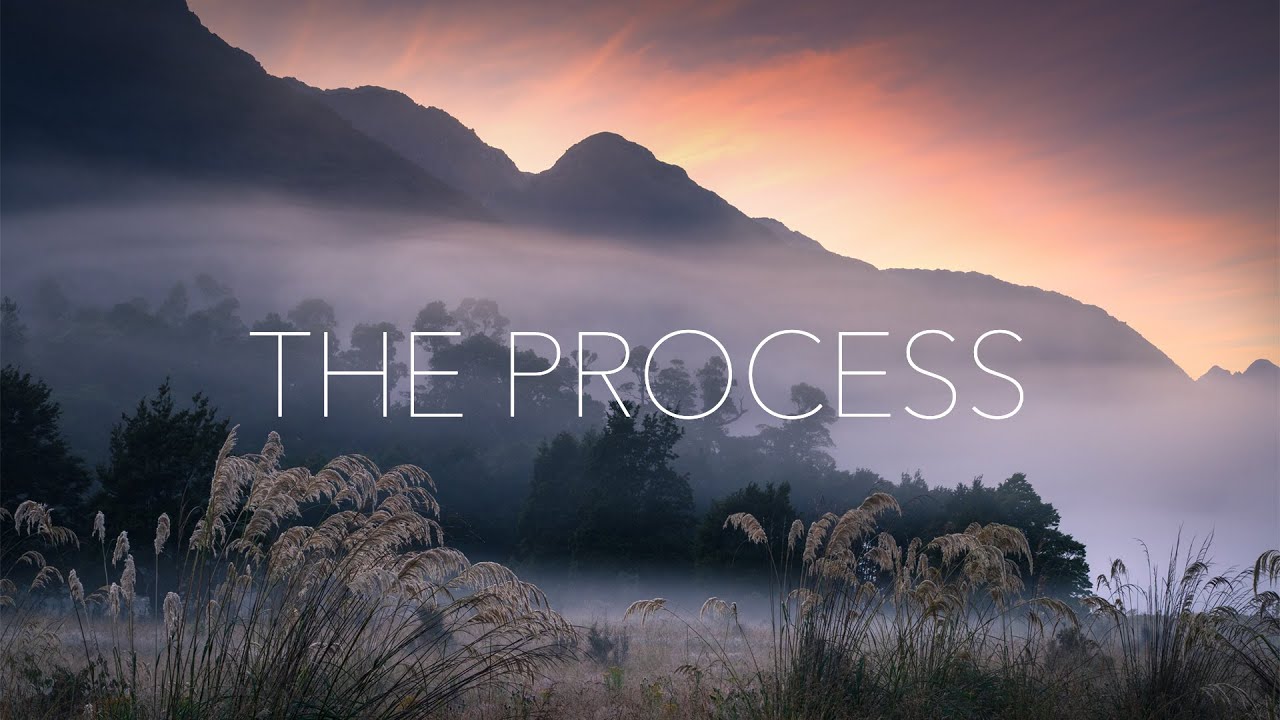
There’s a version of photography workflow that lives entirely inside a computer. Batch actions, export presets, color grading pipelines. That’s most of what I think about in my day job. But every so often I watch something that reminds me that the most important part of the workflow happens before you ever open Photoshop. In this William Patino tutorial filmed in Fiordland National Park, New Zealand, William walks through the complete end-to-end process of a serious landscape shoot: the map research, the multi-hour hike through boggy rainforest, the scouting decisions made on the fly when the terrain doesn’t match the map.
Rethinking Your Landscape Editing Order in ON1 Photo RAW 2019

Rethinking Your Landscape Editing Order in ON1 Photo RAW 2019

I have a spreadsheet that tracks every hour I’ve recovered through better workflow systems. It’s embarrassing how much of that time was lost not to bad tools, but to doing things in the wrong order. Sequence matters enormously in post-production, whether you’re batch-processing 500 product shots or sitting down with a single landscape file you actually care about. That’s why I keep coming back to tutorials from photographers who think systematically, not just creatively.

A Focused Lightroom Landscape Workflow That Respects Your Time

A Focused Lightroom Landscape Workflow That Respects Your Time

I have a bad habit of over-engineering things. Fifteen years in commercial studios will do that to you. I’ve built Photoshop action sets with 40 steps, color-coded folder structures across four backup drives, and batch pipelines that could process half a year’s worth of product shots before lunch. So when I come across a landscape photographer who strips a complex editing process down to only what actually matters, I pay attention.

Kill the Post-Processing Paralysis: A Landscape Editor's Minimal Workflow That Actually Works

Kill the Post-Processing Paralysis: A Landscape Editor's Minimal Workflow That Actually Works

There’s a specific kind of discouragement that hits landscape photographers and I’ve watched it happen to clients of mine for years. You nail the shot in the field, drive home buzzing, load the RAWs onto the computer, and then just… stall. The files look flat. The shadows are a mess. The sky is blown or the foreground is a muddy void. And because you don’t have a clear entry point into the edit, you close the application and tell yourself you’ll come back to it.

AI Presets in Lightroom: What They Actually Do and When to Use Them

AI Presets in Lightroom: What They Actually Do and When to Use Them

I track the hours my batch systems save me. Obsessively, actually — I’ve got a spreadsheet that currently sits at over 2,400 hours recovered from repetitive post-processing tasks. So when a tool promises to make presets smarter and faster, I pay attention. Not out of optimism, but because I’ve been burned before by “intelligent” features that just added extra steps in disguise. AI presets in Lightroom are different, and it took watching William Patino work through his own philosophy on them for me to fully articulate why.

Back Button Focus Is a Tool, Not a Religion — Here's How to Decide What's Right for You

Back Button Focus Is a Tool, Not a Religion — Here's How to Decide What's Right for You

I keep a spreadsheet that tracks every hour my Photoshop actions have saved me. I color-code my backup drives. I have a system for everything. So when I say that I spent years using a camera setting without ever stopping to ask whether it was actually helping me, that should tell you something about how deeply the mythology of back button focus runs in photography culture. Watch the full tutorial on YouTube

Stop Optimizing the Wrong Things: 10 Landscape Photography Obsessions Worth Dropping

Stop Optimizing the Wrong Things: 10 Landscape Photography Obsessions Worth Dropping

I spent the better part of a decade building systems designed to make images technically perfect. Batch sharpening actions, noise reduction presets tuned to the decimal point, resolution checks baked into every export workflow. That background in commercial studio work trained me to treat every pixel as a deliverable, and for product photography, that discipline pays off. But somewhere along the way I started applying that same obsessive standard to creative work, which is a different thing entirely.

The 10-Second Field Checklist That Stops You Bringing Home Broken Shots

The 10-Second Field Checklist That Stops You Bringing Home Broken Shots

I’ve spent fifteen years in commercial studios where a missed detail isn’t a learning moment, it’s a reshoot budget. That particular pain has made me obsessive about checklists, whether I’m batching 500 product images or setting up a single hero shot. So when I came across a tutorial from landscape photographer Mark Denney, I expected the usual compositional theory. What I got instead was something closer to a pre-flight checklist, the kind of systematic field routine that prevents problems rather than fixing them in post.