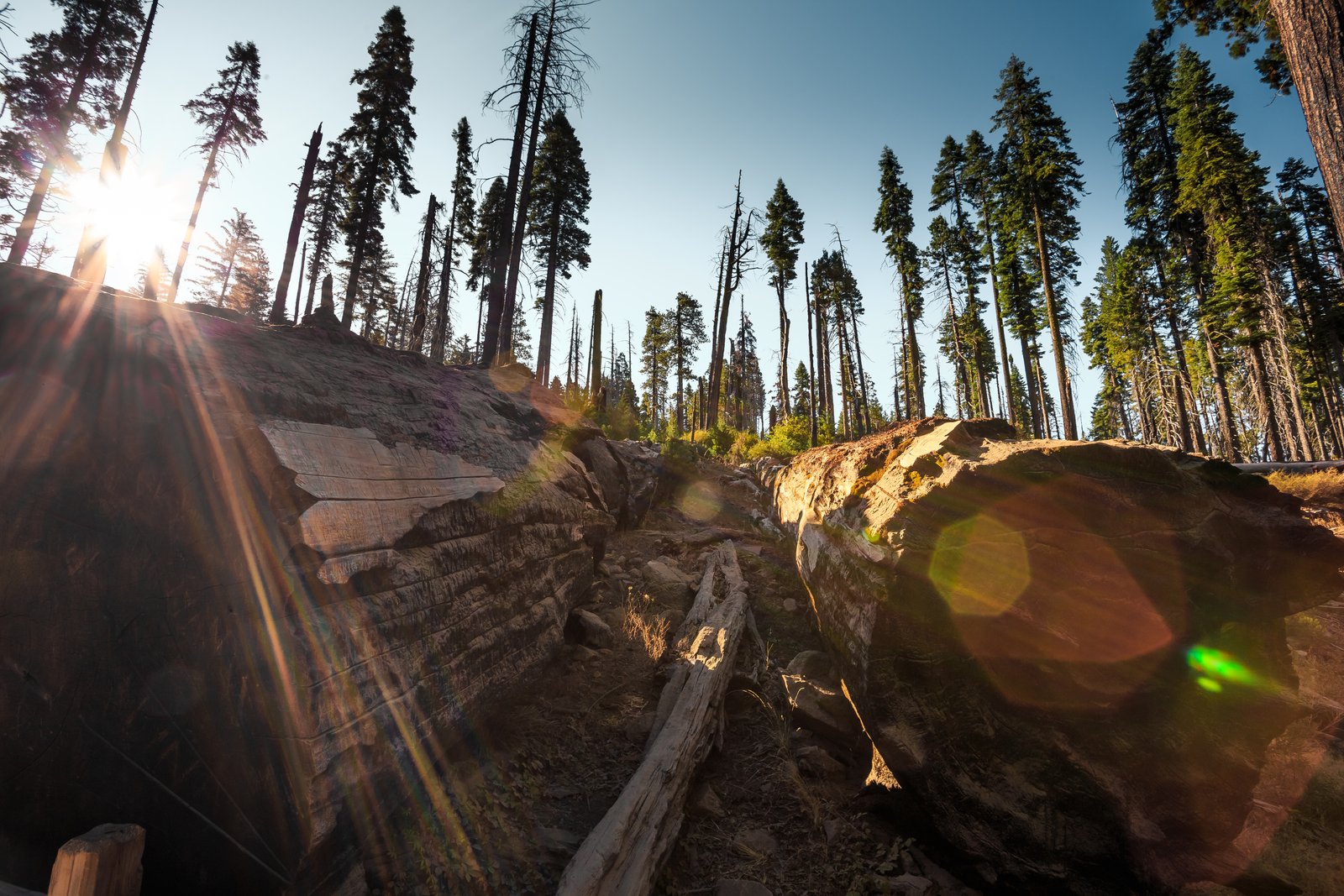
Understanding Lens Flare: Why Modern Glass Creates Those Dreamy Light Artifacts

Understanding Lens Flare: Why Modern Glass Creates Those Dreamy Light Artifacts

Understanding Lens Flare: Why Modern Glass Creates Those Dreamy Light Artifacts I’ve spent countless hours chasing that perfect lens flare in my photographs—sometimes intentionally, sometimes cursing it in the field. But I recently dove deep into the optical physics behind this phenomenon, and it completely changed how I approach flare in my post-processing workflow. The Uncoated Glass Problem Here’s what fascinated me: when light hits an uncoated glass-to-air surface, roughly 4% of that light bounces straight back.
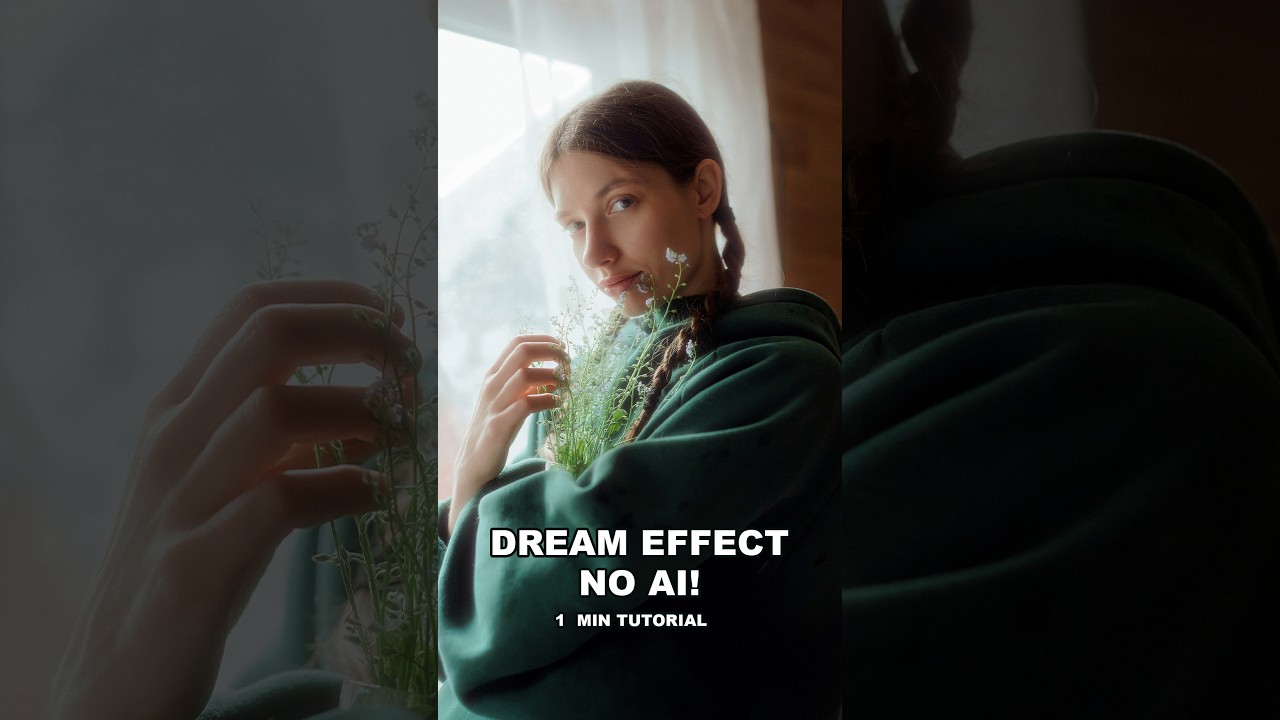
The Manual Glow Effect That Still Beats Every AI Filter I've Tried

The Manual Glow Effect That Still Beats Every AI Filter I've Tried

Client work has a way of humbling you. A few months back I was finishing a batch of lifestyle shots for a skincare brand, and the art director kept circling back to one note: “Can we make the light feel softer? More… luminous?” I’d already done my standard luminosity mask pass. I’d tried a couple of glow overlays from my preset library. None of it had the right quality. It looked processed rather than photographic.

The Photoshop Slice Effect That Takes 5 Minutes and Looks Like It Took All Day

The Photoshop Slice Effect That Takes 5 Minutes and Looks Like It Took All Day

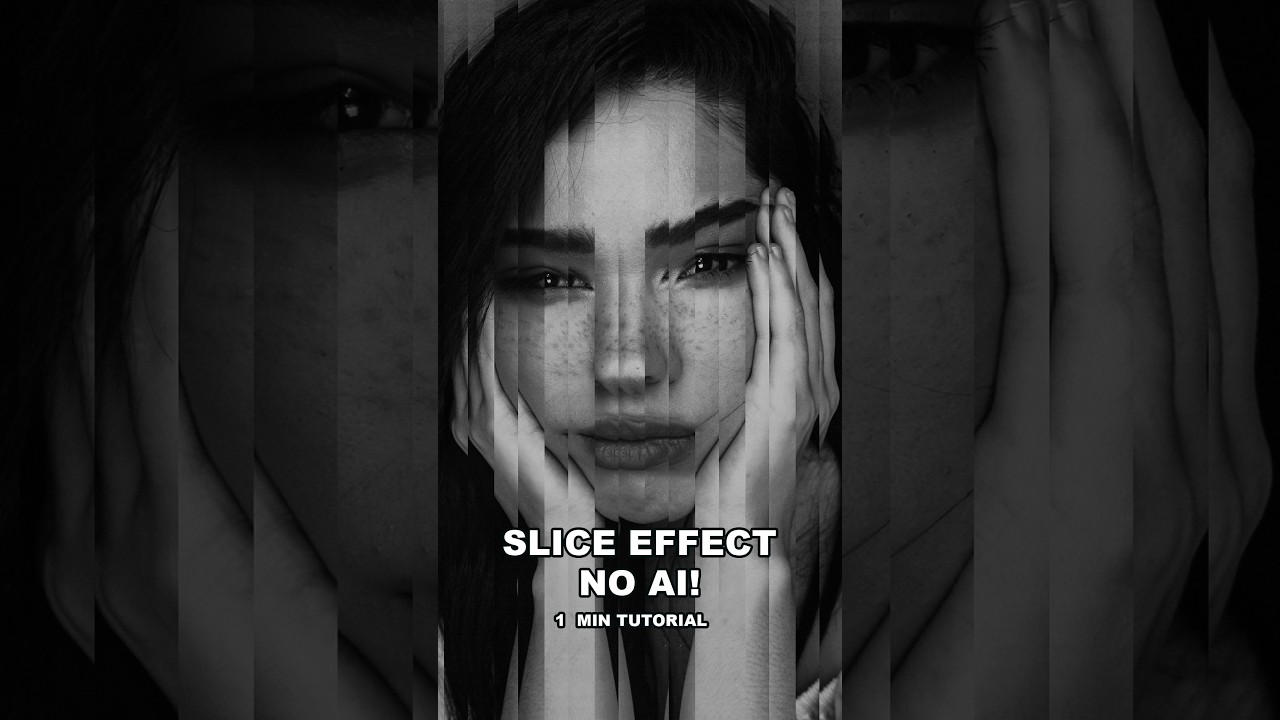
There’s a category of client request I’ve learned to dread over my fifteen years in commercial work: “Make it look editorial. You know, interesting.” That’s it. No reference image, no art direction, just vibes. I’ve built a small library of go-to effects I can reach for in those moments - effects that look considered and intentional without requiring a three-hour compositing session. The portrait slice effect is one of the best of them.

Fake the Long-Exposure Cloud Streak in Photoshop (No ND Filter Required)

Fake the Long-Exposure Cloud Streak in Photoshop (No ND Filter Required)

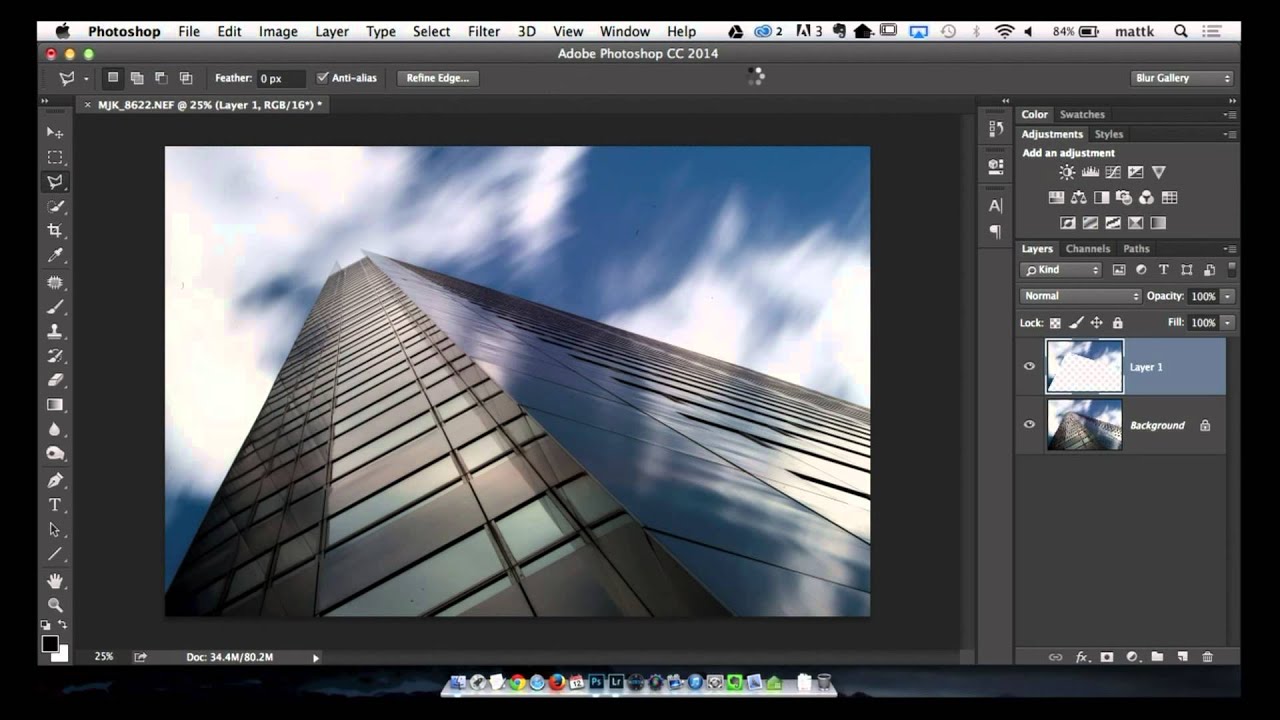
There’s a specific kind of cityscape photo I see constantly in commercial work and it always stops me cold: a rooftop perspective, dramatic black-and-white conversion, and clouds that look like they’ve been dragged across the sky by the wind during a long exposure. The effect reads as effortful and cinematic. The reality, at least in post-production, is that you can fake most of it convincingly in Photoshop without ever mounting a camera to a tripod or screwing on an ND filter.

Dodge & Burn Like a Painter: Building a Pressure-Sensitive Brush in Photoshop

Dodge & Burn Like a Painter: Building a Pressure-Sensitive Brush in Photoshop

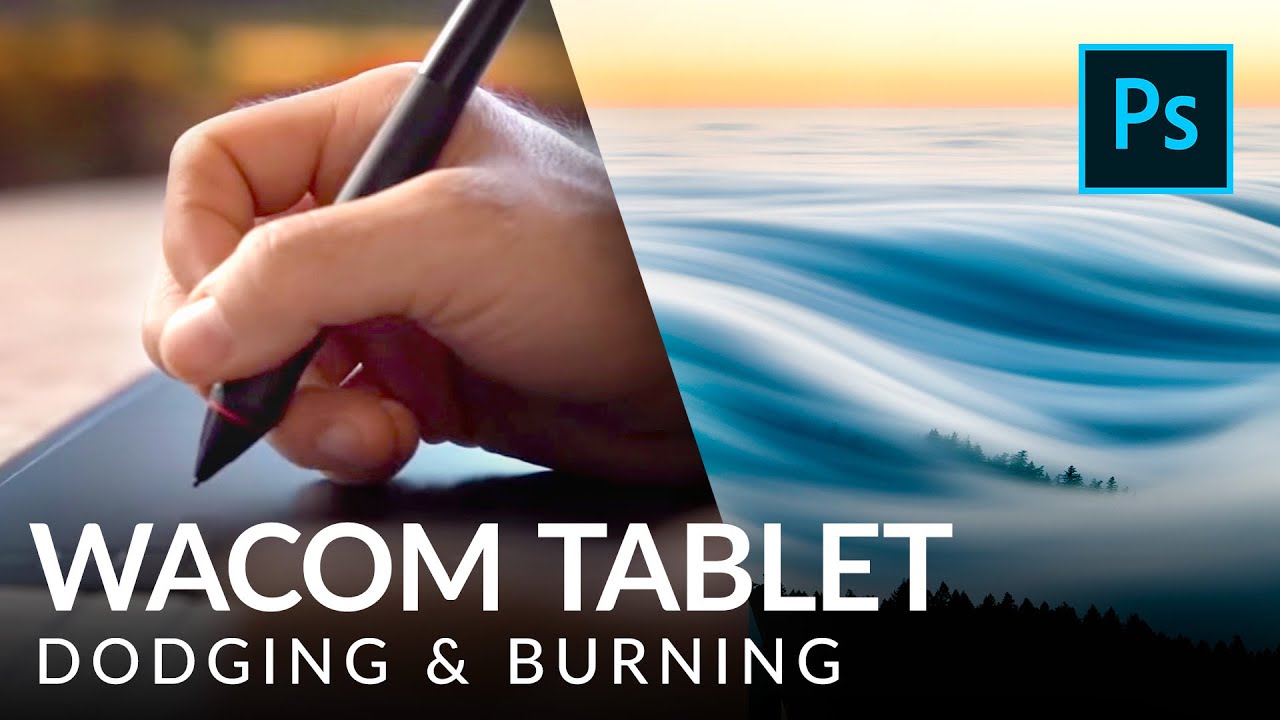
Fifteen years of studio work taught me that dodging and burning separates the retouchers from the photo editors. Anyone can pull a Curves adjustment. Shaping light on a face, a product surface, or a landscape so it reads as three-dimensional and intentional – that takes control. Real, granular, stroke-by-stroke control. For most of my career I was doing it with a mouse, convincing myself that lowering brush flow to 5% was “good enough.

How to Build a Cloud Brush in Photoshop That Actually Works (And Why Most People Get It Backwards)

How to Build a Cloud Brush in Photoshop That Actually Works (And Why Most People Get It Backwards)

Compositing is where my commercial work lives. Whether I’m dropping a product into a lifestyle scene or building a full environmental composite for an ad agency client, the sky is almost always the first thing that needs fixing. Stock skies are fine, but a brush-based cloud you can paint, scale, and reposition in seconds? That becomes a reusable asset that earns its keep across dozens of projects. The problem is that most people who try to build a cloud brush in Photoshop hit an immediate wall and don’t understand why it’s not working.

The Custom Hair Brush Trick That Actually Works in Photoshop (And Why I Use It on Real Client Work)

The Custom Hair Brush Trick That Actually Works in Photoshop (And Why I Use It on Real Client Work)

Hair is the thing that separates a rushed cutout from a professional one. I’ve been doing post-production work for ad agencies and e-commerce brands for fifteen years, and I still see retouchers either avoid difficult hair entirely or lean so hard on Select and Mask that the result looks like a watercolor painting around the subject’s head. Neither is acceptable when a client is paying for clean, believable composites. In this Aaron Nace (PHLEARN) tutorial, he walks through a technique I hadn’t seen explained this clearly before: building a custom brush that mimics the shape and flow of a single strand of hair, then using it to manually cut hair from a background.

When Photoshop's AI Tools Stop Being Helpers and Start Being Shortcuts

When Photoshop's AI Tools Stop Being Helpers and Start Being Shortcuts

I’ve been editing images professionally for nearly two decades, and I’ve watched Photoshop evolve from a tool that forced you to understand layers, masking, and color theory into something that can generate solutions with a single click. That’s genuinely incredible. But I’m watching something troubling happen in my community: editors are treating AI features as replacements for foundational skills rather than force multipliers. The issue isn’t that these tools exist. It’s that we’re using them without understanding what we’re outsourcing.