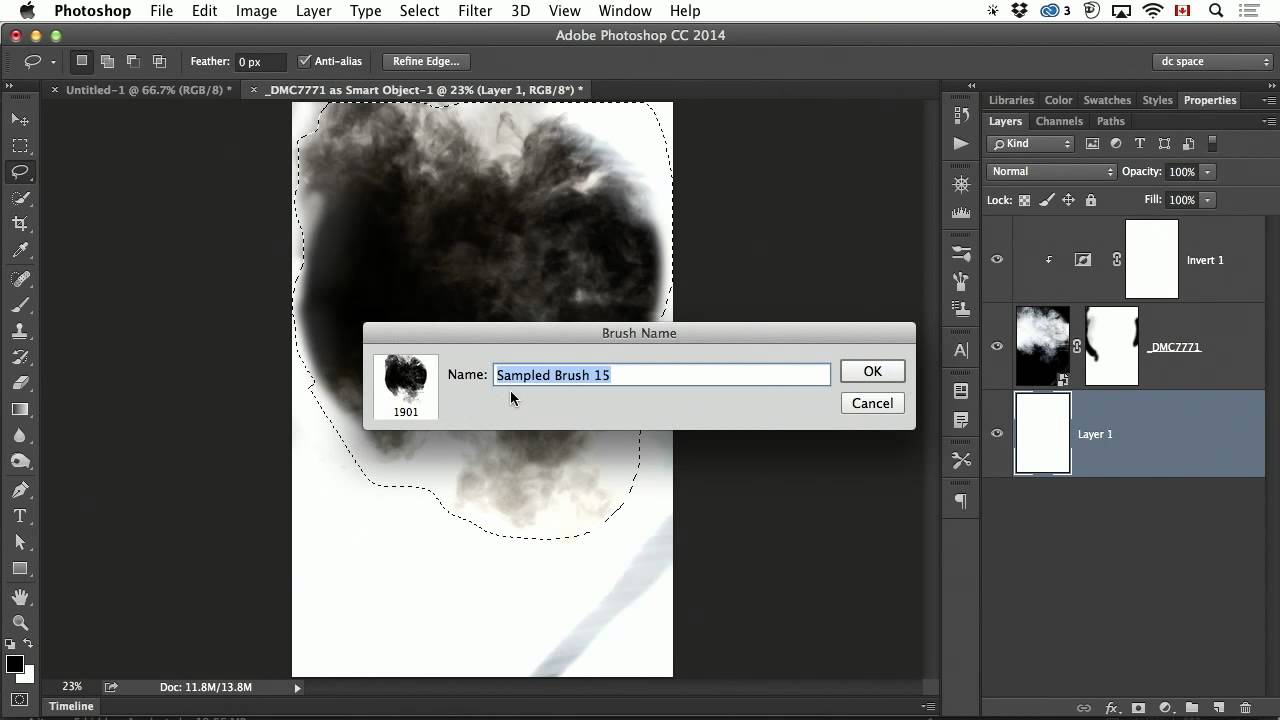
How to Build a Custom Smoke Brush in Photoshop (And Actually Control the Result)

How to Build a Custom Smoke Brush in Photoshop (And Actually Control the Result)

Most of the texture brushes I use in client work started as photographs. Concrete, fabric, water splashes, and yes, smoke. When you’re retouching a product shot for an ad agency and the art director wants “a little atmospheric haze,” you need something that blends naturally - not a canned plugin effect that looks like it came out of a 2009 tutorial. Building your own brush from real smoke footage solves that problem permanently.
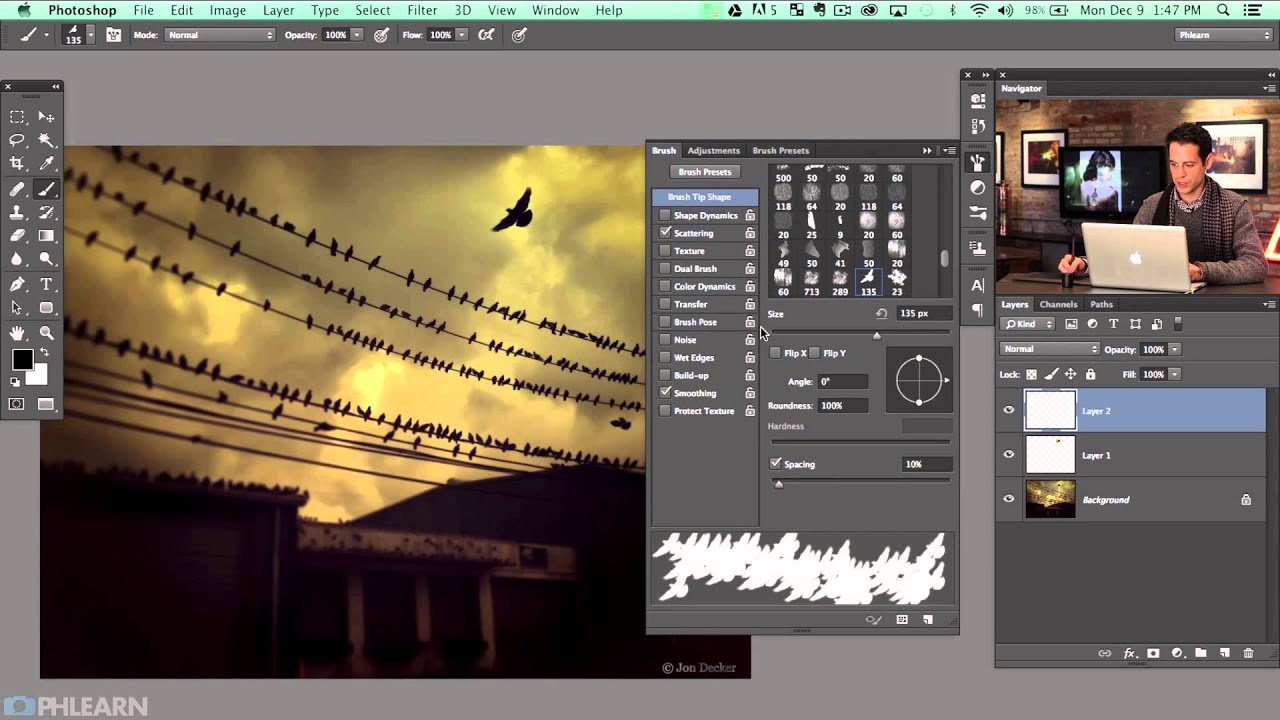

How to Turn Any Bird Photo Into a Custom Photoshop Brush (And Actually Make It Useful)

How to Turn Any Bird Photo Into a Custom Photoshop Brush (And Actually Make It Useful)

Custom brushes are one of those Photoshop capabilities that look like a novelty until you actually need them on a deadline. I’ve been doing compositing work for ad agencies for years, and there’s a specific category of client request that used to make me groan: “Can you add some birds to the sky?” It sounds trivial. It isn’t. Stamping the same bird shape repeatedly looks fake immediately, and sourcing stock elements, masking them individually, then varying their scale and angle manually eats up time you don’t have.

How to Add Realistic Snow in Photoshop: Two Methods That Actually Work

How to Add Realistic Snow in Photoshop: Two Methods That Actually Work

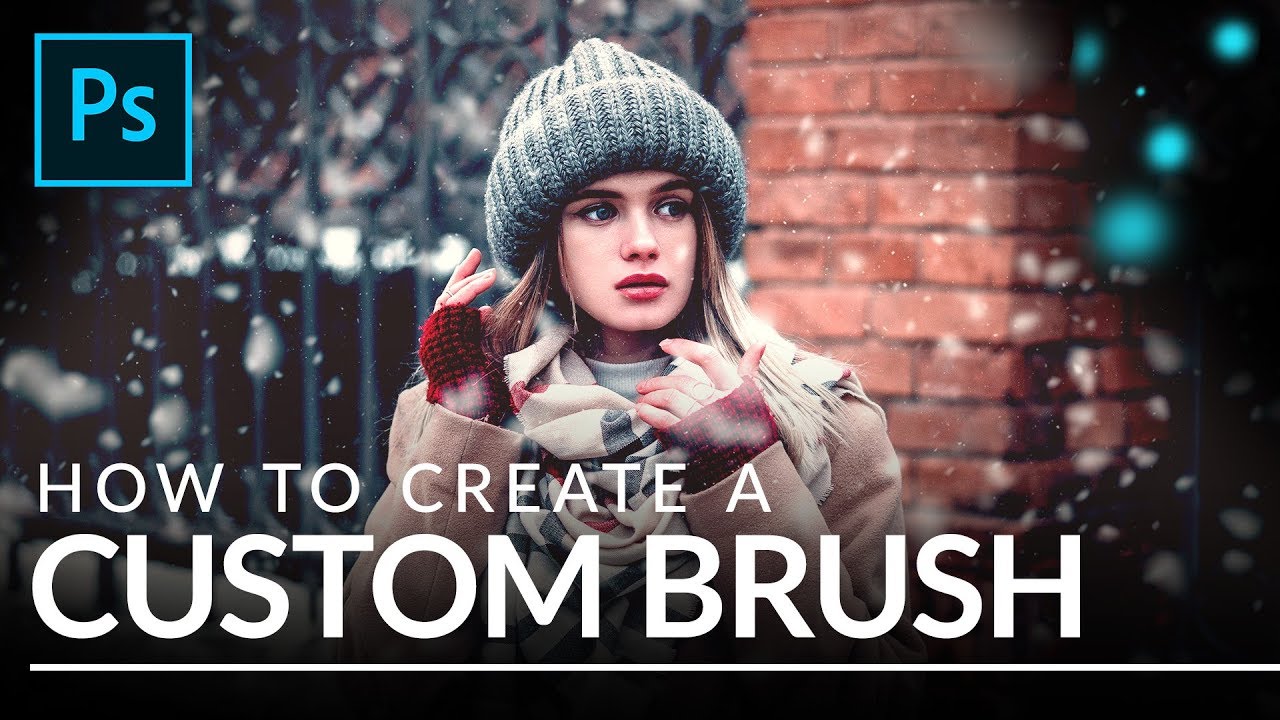
Every December I get at least three client requests for “wintery” versions of images that were shot in July. Ad agencies love a good seasonal pivot, and nothing says “we planned this last minute” like asking your retoucher to add snow to a product shot of a pickup truck in front of a parking garage. I’ve used stock overlays, third-party plugins, and some truly embarrassing workarounds over the years. But a clean, convincing, layered snow effect built from scratch inside Photoshop?

The Custom Hair Brush Trick That Actually Works in Photoshop (And Why I Use It on Real Client Work)

The Custom Hair Brush Trick That Actually Works in Photoshop (And Why I Use It on Real Client Work)

Hair is the thing that separates a rushed cutout from a professional one. I’ve been doing post-production work for ad agencies and e-commerce brands for fifteen years, and I still see retouchers either avoid difficult hair entirely or lean so hard on Select and Mask that the result looks like a watercolor painting around the subject’s head. Neither is acceptable when a client is paying for clean, believable composites. In this Aaron Nace (PHLEARN) tutorial, he walks through a technique I hadn’t seen explained this clearly before: building a custom brush that mimics the shape and flow of a single strand of hair, then using it to manually cut hair from a background.

Build a Star Field Brush in Photoshop That Actually Looks Real (Not Clip Art)

Build a Star Field Brush in Photoshop That Actually Looks Real (Not Clip Art)

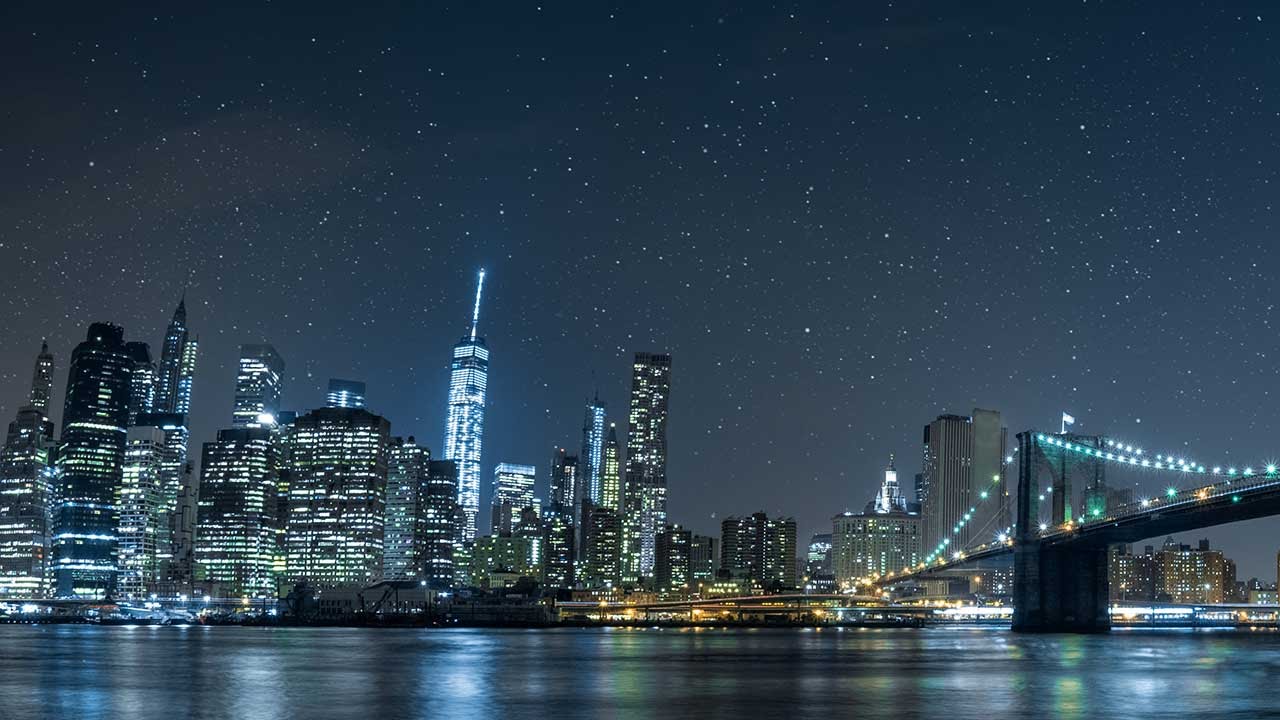
Client sends over a panoramic cityscape. Beautiful shot, golden hour fading into deep blue. The brief says “add stars.” If you’ve been doing this long enough, you already know what the wrong approach looks like: grab a tiny round brush, set it to white, and start clicking. Two hundred clicks later, you’ve got a sky that looks like someone flicked a paintbrush at the monitor. Every star is identical. Every star is boring.

Build a Snow Brush in Photoshop from Scratch (And Actually Understand Why It Works)

Build a Snow Brush in Photoshop from Scratch (And Actually Understand Why It Works)

Every December, at least one client asks me to add snow to a product shot or lifestyle image that was photographed in July. For years I licensed stock snow overlays, and they were fine, right up until they weren’t. The wrong flake size, the wrong density, a pattern that tiled visibly if you looked closely. The overlay approach is a patch, not a solution. What I actually needed was a brush I could resize, rescatter, and repaint non-destructively depending on the image.

Master the Double Exposure Effect in Photoshop: A Complete Breakdown of Aaron Nace's Essential Technique

Master the Double Exposure Effect in Photoshop: A Complete Breakdown of Aaron Nace's Essential Technique

I’ve always found the double exposure effect to be one of those techniques that looks incredibly complex but is surprisingly straightforward once you understand the core principle. In this excellent tutorial, Aaron Nace (PHLEARN) demonstrates exactly how to nail this effect in just two minutes—and today, I’m breaking down every step so you can master it yourself. What Makes a Double Exposure Work? Before jumping into the technical steps, let’s talk about why this effect works at all.