Ruthless by Design: Tony Northrup's Raw Workflow and What It Taught Me About Cutting the Fat

Ruthless by Design: Tony Northrup's Raw Workflow and What It Taught Me About Cutting the Fat

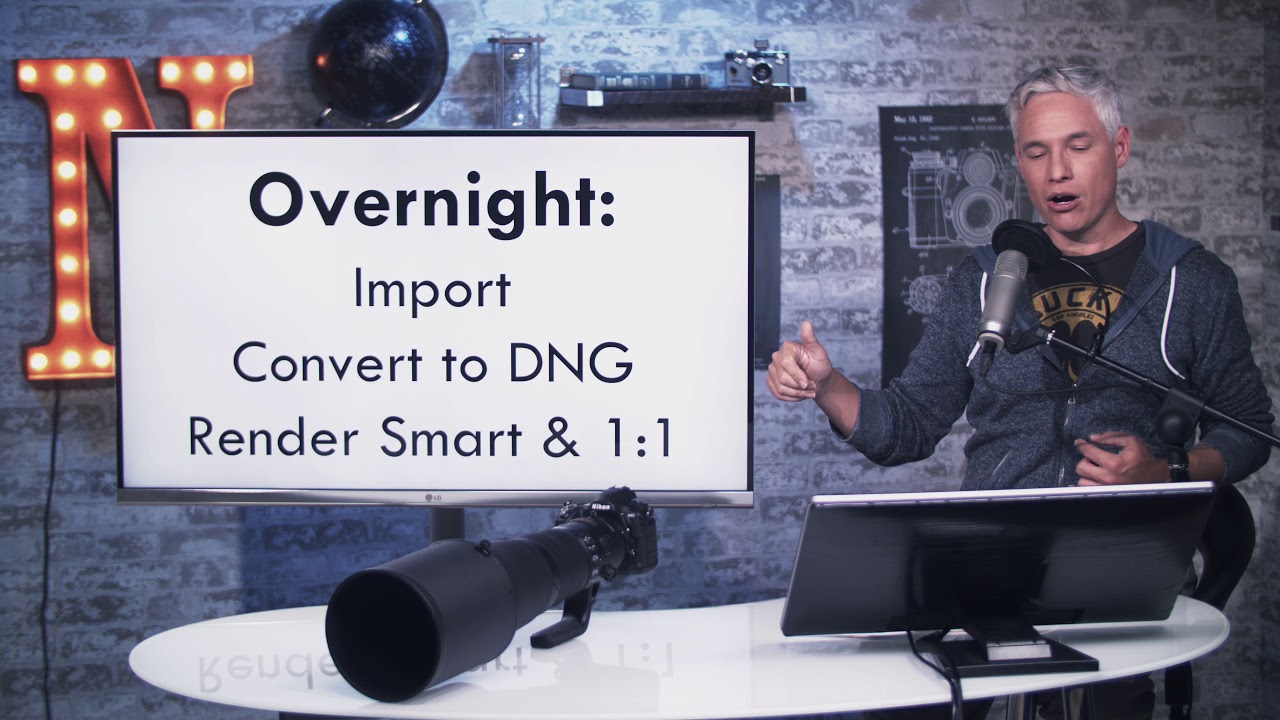
There is a specific kind of pain that comes from importing 1,500 forty-five megapixel raw files onto a laptop that was not built for the job. I know this pain. I have sat in hotel rooms at 11pm, waiting on a progress bar, knowing I still had to cull, edit, and deliver before a client call the next morning. Workflow is not a glamorous subject, but it is the thing that separates photographers who control their time from photographers whose time controls them.

Stop Babysitting Your Focus Point: A Landscape Photographer's Case for Wider AF Zones

Stop Babysitting Your Focus Point: A Landscape Photographer's Case for Wider AF Zones

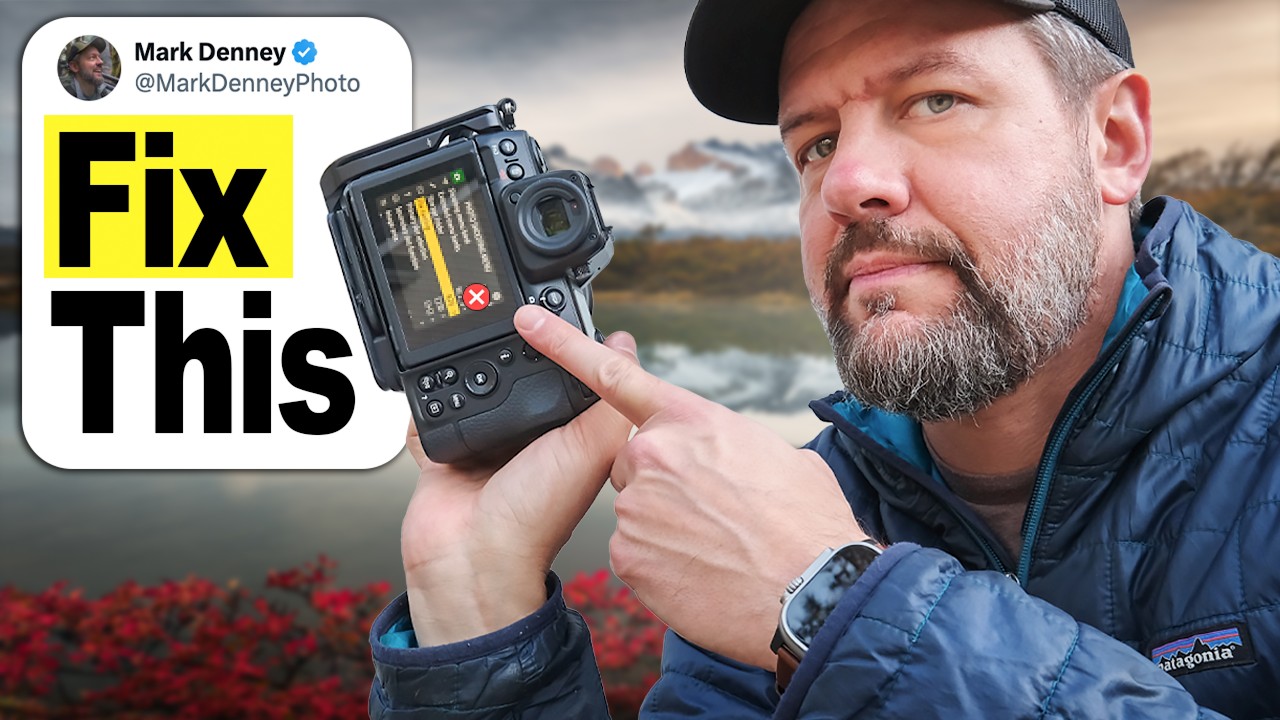
There’s a particular kind of friction I recognize immediately when I watch photographers work in the field. It’s the same friction I see in post-production when someone is manually repeating a task that a well-built action could handle in a keystroke. The tool becomes the subject. The actual work gets pushed aside. In a recent tutorial, Watch the full tutorial on YouTube, Mark Denney describes coming back from a week of leading workshops in the Faroe Islands and noticing that photographers were spending more mental energy managing a tiny focus point than they were thinking about their compositions.

Freeze It or Blur It: A Field Guide to Action Photography Techniques

Freeze It or Blur It: A Field Guide to Action Photography Techniques

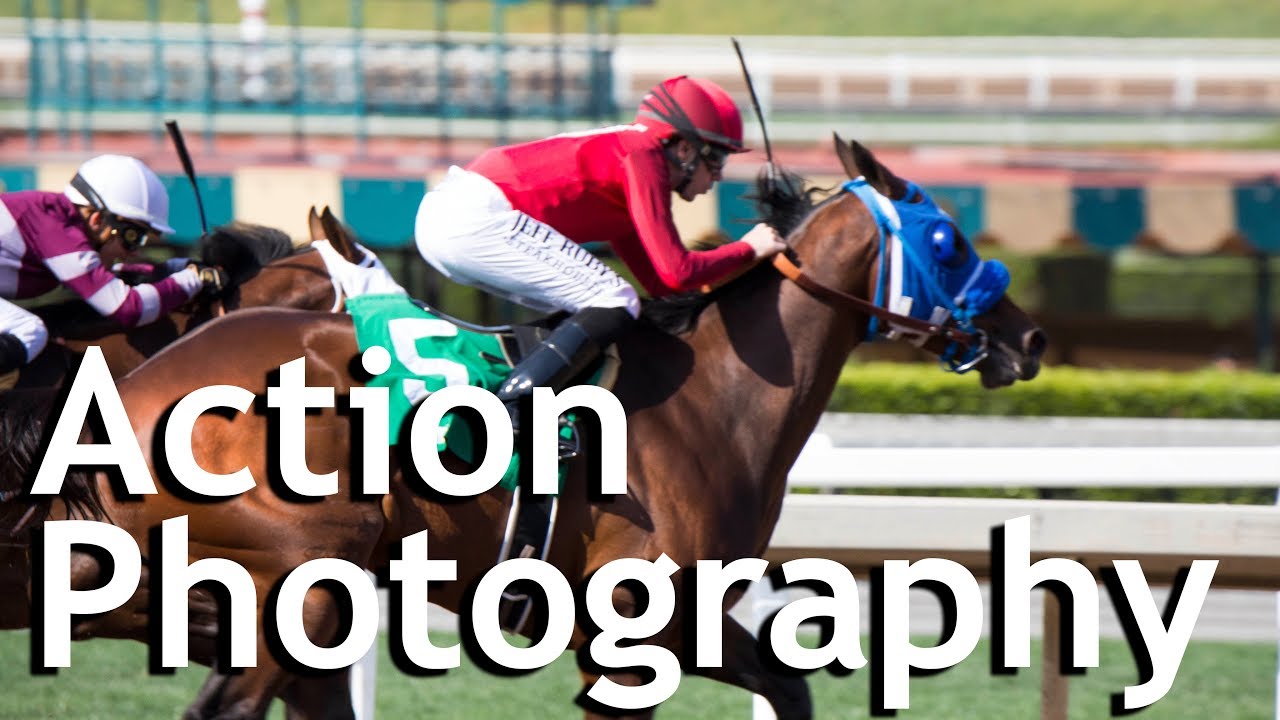
Most of my work happens in a controlled studio environment. Product shots, ad composites, e-commerce catalogs where the subject sits perfectly still under lights I’ve positioned myself. Action photography is basically the opposite of everything I do daily, which is exactly why I find it so useful to study. Understanding how to handle fast-moving subjects makes you a sharper photographer across the board, and the decision-making process behind shutter speed selection translates directly into better exposure instincts no matter what you’re shooting.

Camera Settings That Actually Get You Sharper Wildlife and Action Shots (No Tripod Required)

Camera Settings That Actually Get You Sharper Wildlife and Action Shots (No Tripod Required)

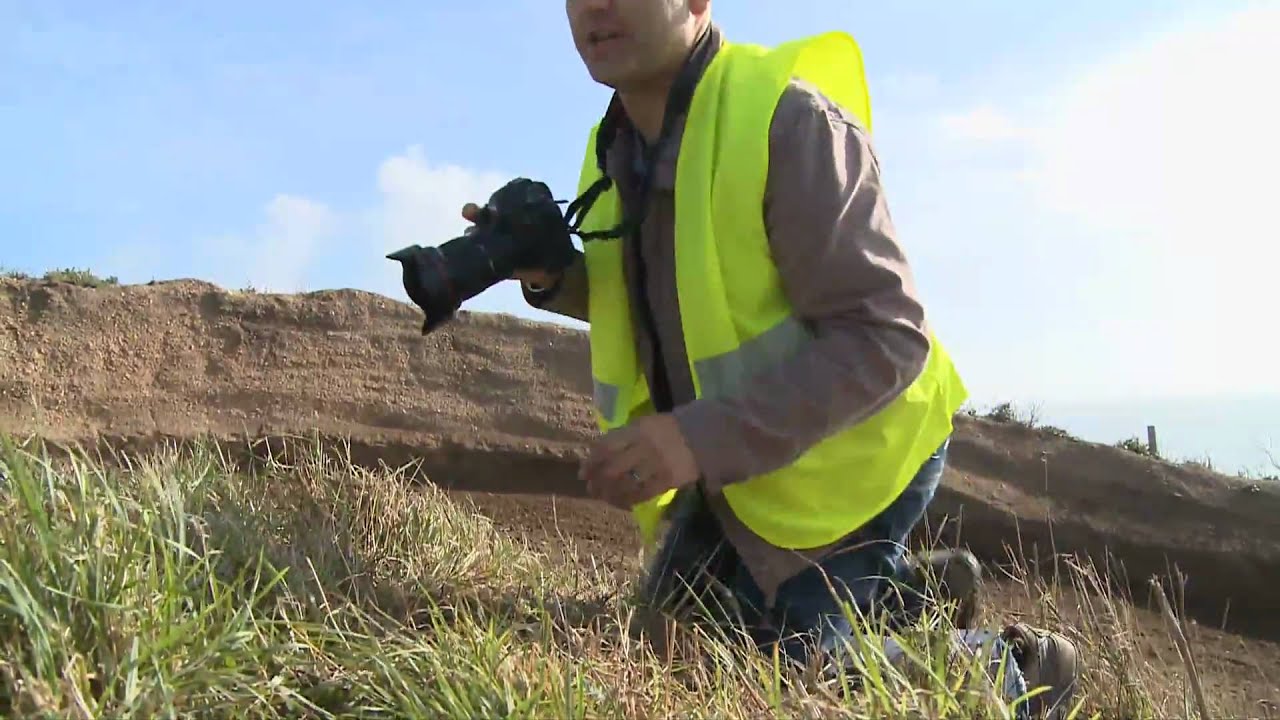
I spend most of my working hours in Photoshop, but my background is in commercial photography studios, and I still shoot regularly. One thing I’ve noticed over the years is that the sharpness battle is mostly won or lost before you ever open a raw file. No amount of Smart Sharpen or Unsharp Mask rescues a frame that was soft at capture. So when I came across this Matt Kloskowski tutorial on getting sharper action and wildlife shots, I watched it twice.

Back Button Focus Is a Tool, Not a Religion — Here's How to Decide What's Right for You

Back Button Focus Is a Tool, Not a Religion — Here's How to Decide What's Right for You

I keep a spreadsheet that tracks every hour my Photoshop actions have saved me. I color-code my backup drives. I have a system for everything. So when I say that I spent years using a camera setting without ever stopping to ask whether it was actually helping me, that should tell you something about how deeply the mythology of back button focus runs in photography culture. Watch the full tutorial on YouTube

Stop Treating ISO Like a Setting You Choose — Let It Work For You

Stop Treating ISO Like a Setting You Choose — Let It Work For You

I’ve spent fifteen years in commercial studios where the light is controlled, repeatable, and exactly where you put it. So when I started taking my camera outside, the constantly shifting light genuinely caught me off guard. Not because I didn’t understand exposure, but because I kept rebuilding it from scratch every few minutes like some kind of Groundhog Day nightmare. Adjust ISO, check the meter, tweak again. Meanwhile the shot I actually wanted had already moved on.