Freeze It or Blur It: A Field Guide to Action Photography Techniques

Freeze It or Blur It: A Field Guide to Action Photography Techniques

Most of my work happens in a controlled studio environment. Product shots, ad composites, e-commerce catalogs where the subject sits perfectly still under lights I’ve positioned myself. Action photography is basically the opposite of everything I do daily, which is exactly why I find it so useful to study. Understanding how to handle fast-moving subjects makes you a sharper photographer across the board, and the decision-making process behind shutter speed selection translates directly into better exposure instincts no matter what you’re shooting.

Camera Settings That Actually Get You Sharper Wildlife and Action Shots (No Tripod Required)

Camera Settings That Actually Get You Sharper Wildlife and Action Shots (No Tripod Required)

I spend most of my working hours in Photoshop, but my background is in commercial photography studios, and I still shoot regularly. One thing I’ve noticed over the years is that the sharpness battle is mostly won or lost before you ever open a raw file. No amount of Smart Sharpen or Unsharp Mask rescues a frame that was soft at capture. So when I came across this Matt Kloskowski tutorial on getting sharper action and wildlife shots, I watched it twice.

Freeze the Moment: How to Use Flash Duration and Shutter Speed Together for Sharp Action Shots

Freeze the Moment: How to Use Flash Duration and Shutter Speed Together for Sharp Action Shots

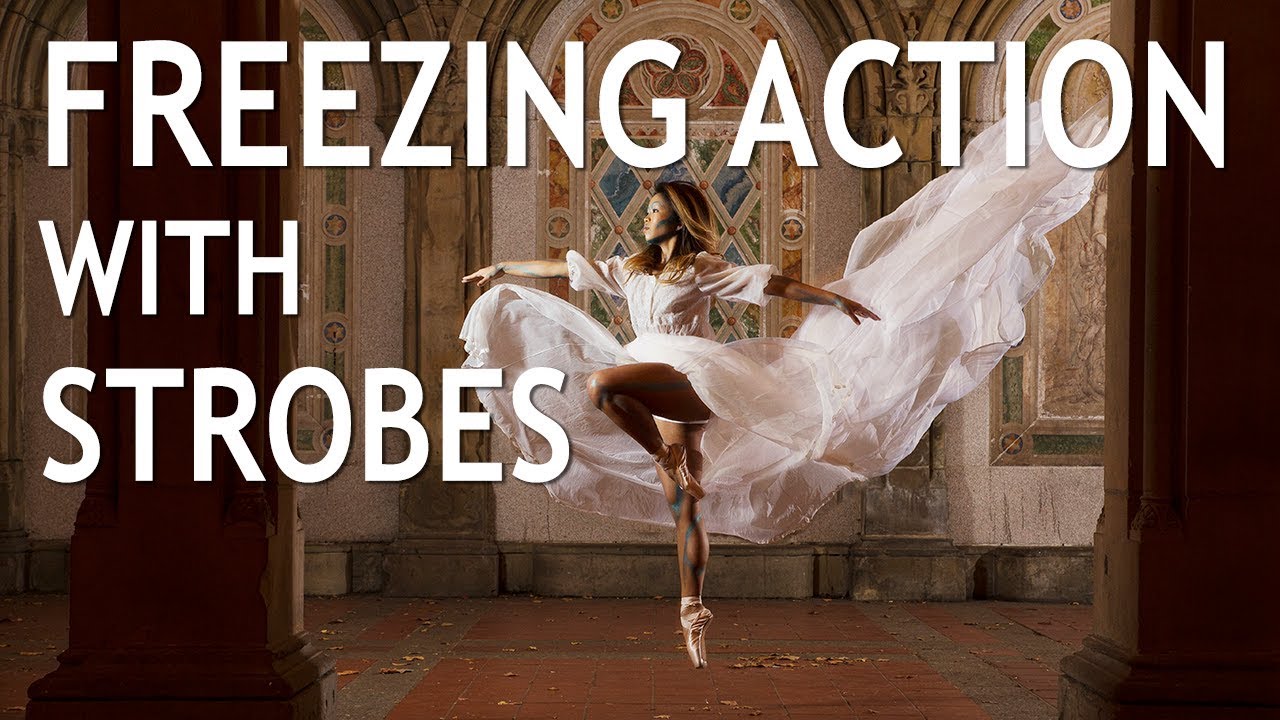
Action photography on location has a way of exposing every gap in your lighting knowledge. I’ve spent fifteen years in commercial studios where we had the luxury of controlling nearly every variable, but the moment a client wants something kinetic, something with real movement and energy, the comfortable math of a controlled environment goes sideways fast. Freezing motion with strobes sounds simple until you’re watching your subject blur against a background you actually want to see, and you realize your shutter speed and your flash are working against each other instead of together.

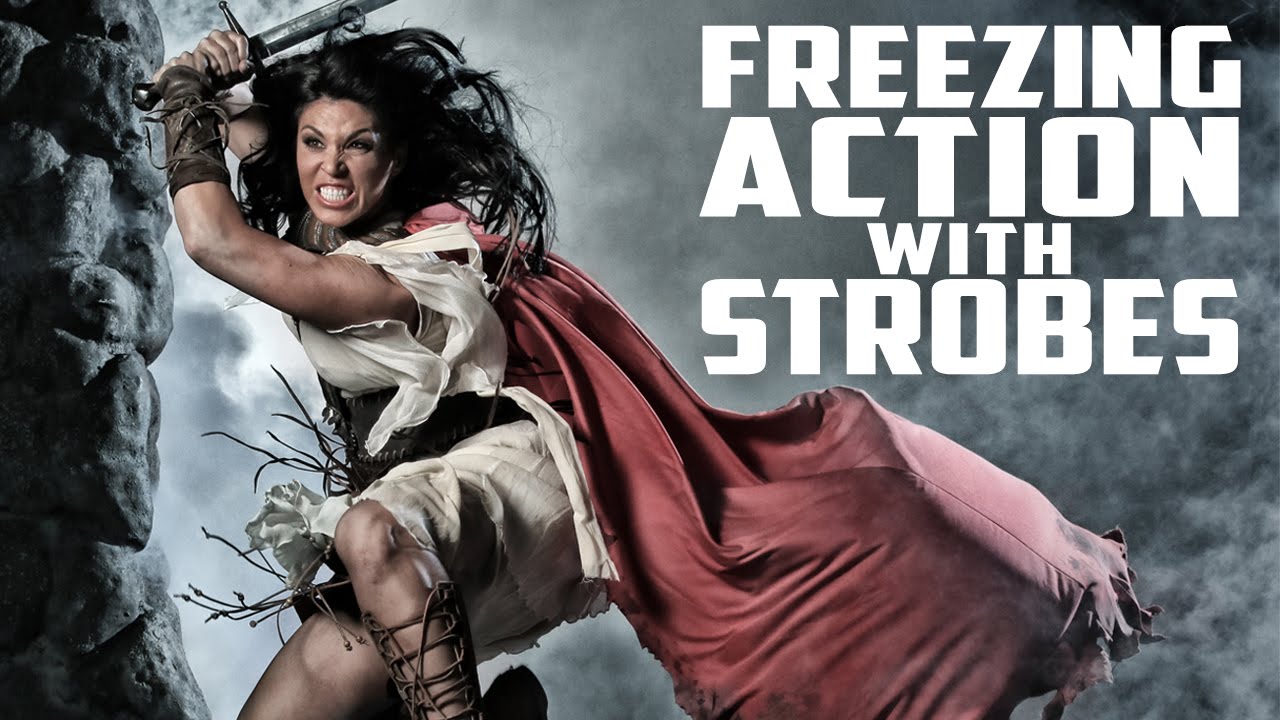
Three Variables That Actually Freeze Action with Strobes (No High-Speed Sync Required)

Three Variables That Actually Freeze Action with Strobes (No High-Speed Sync Required)

Most of the photographers I work with in commercial studios assume you need high-speed sync to freeze a moving subject. It’s an understandable assumption. HSS is the obvious tool, it’s what the gear manufacturers push, and it sounds technically correct. But HSS comes with a real cost: it cuts your effective flash power significantly, which means you’re fighting for exposure before you’ve even started solving the motion problem. There’s a cleaner approach, and Jay P.

How Serge Ramelli Shot an Action Short on Canon 7D & 5D Mark II: Lessons for Your Workflow

How Serge Ramelli Shot an Action Short on Canon 7D & 5D Mark II: Lessons for Your Workflow

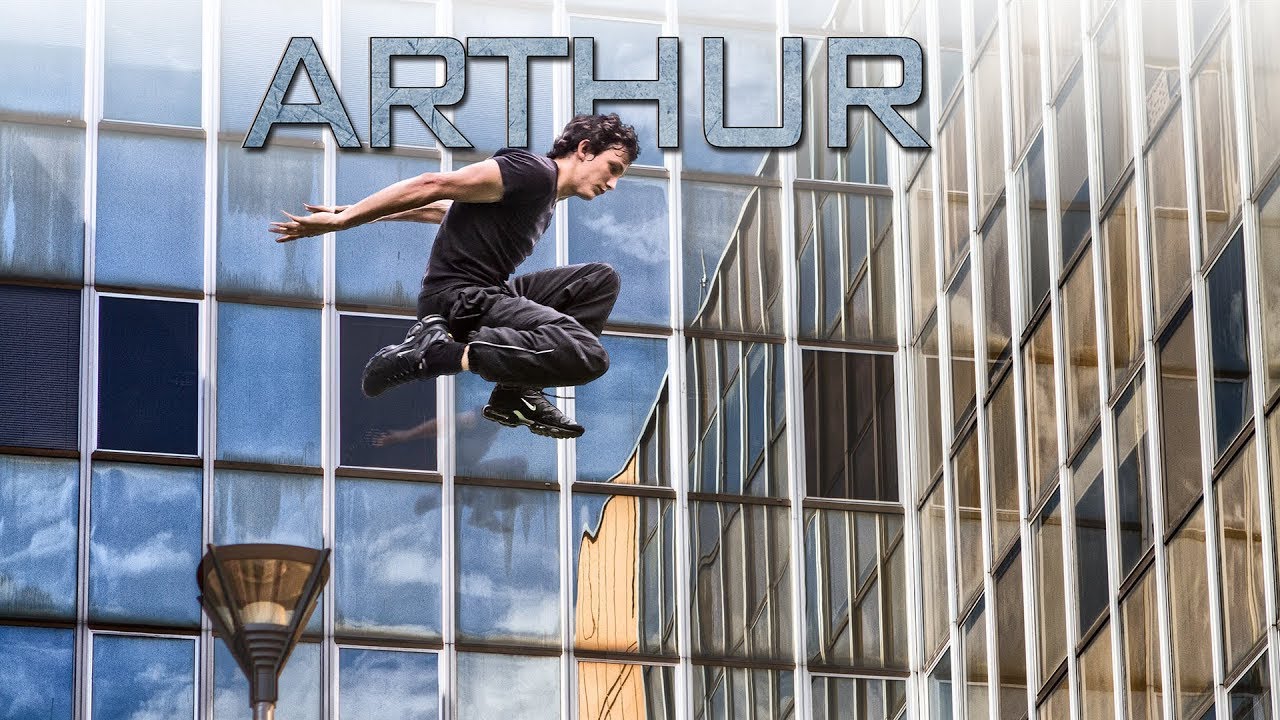
There’s a particular kind of tutorial that doesn’t feel like a tutorial at all. It feels like being let into someone’s process mid-project, watching decisions get made in real time, with real constraints. That’s what pulled me into this one. In this Serge Ramelli tutorial, he documents the making of “Arthur,” a short action film built around parkour in what looks like an urban European setting. On the surface it’s a filmmaking piece.

How Photographers Conquered Long Exposure in Freefall: A Technical Breakdown

How Photographers Conquered Long Exposure in Freefall: A Technical Breakdown

When Long Exposure Meets Freefall I just learned about something that shouldn’t work but does: a recent shoot captured skydivers plummeting through the night sky against the aurora borealis, all while traveling over 100 miles per hour in brutal sub-zero conditions. As someone obsessed with how photographers solve impossible technical challenges, I had to dig into how they pulled this off. The premise alone contradicts everything we’re taught. Long exposures and action photography are supposed to be enemies.

How Be Ryder Masters Workflow Under Pressure: Lessons from Elite Surf Photography

How Be Ryder Masters Workflow Under Pressure: Lessons from Elite Surf Photography

When Your Studio Is the Ocean I’ve been following Be Ryder’s work for a while now, and what strikes me most isn’t just the technical execution—it’s the consistency she achieves in one of photography’s most chaotic environments. Shooting in churning water with thousands of dollars in gear strapped to your body demands more than raw talent. It requires bulletproof workflows that survive saltwater, pressure, and split-second decision-making. Beatriz has transformed herself from someone uncomfortable in the ocean into a World Sports Photography Awards silver medalist.