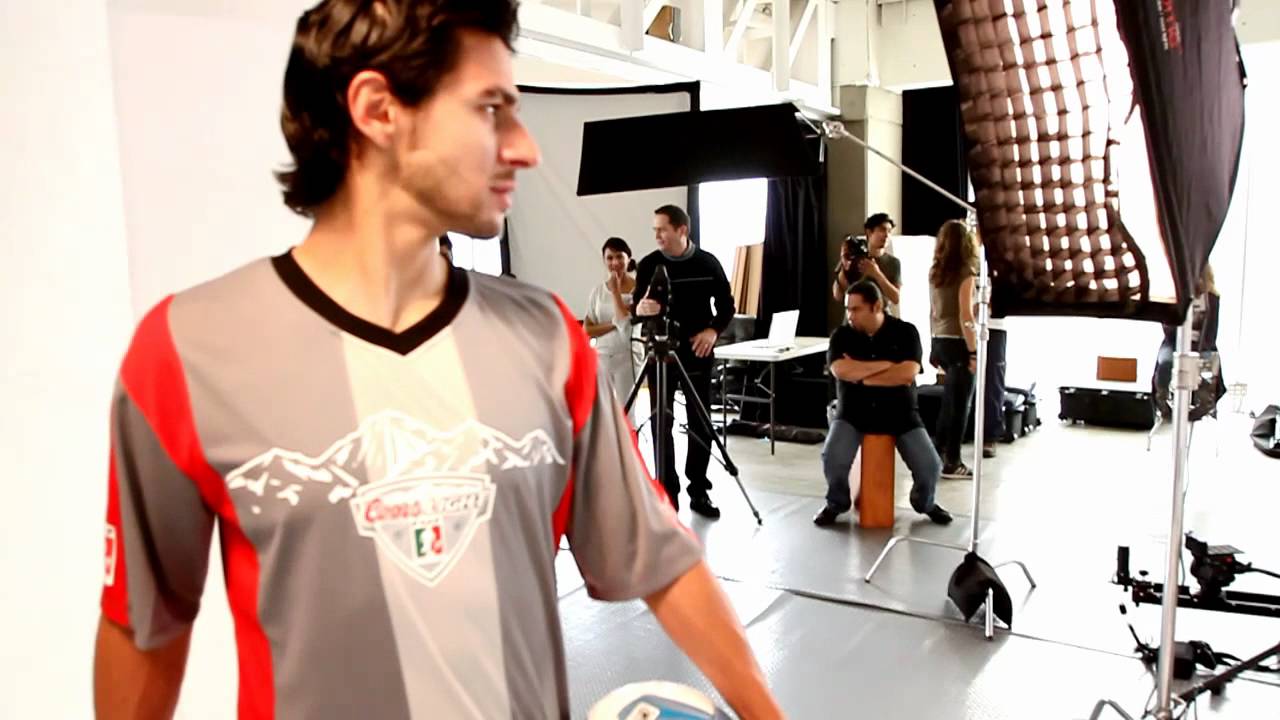
Freeze It Right: What a Mexico City Soccer Shoot Taught Me About Flash Duration and Composite Lighting

Freeze It Right: What a Mexico City Soccer Shoot Taught Me About Flash Duration and Composite Lighting

There’s a specific problem that comes up constantly in commercial work: you need to photograph a subject in motion, under full control, against a background you’re going to swap out in post. The subject has a narrow window of availability. The shot has to work both vertically and horizontally. And the lighting needs to freeze movement with enough sharpness to survive a full-page print. I’ve set up variations of this scenario dozens of times for ad agency clients, and the details are what separate a usable image from a reshoot conversation.
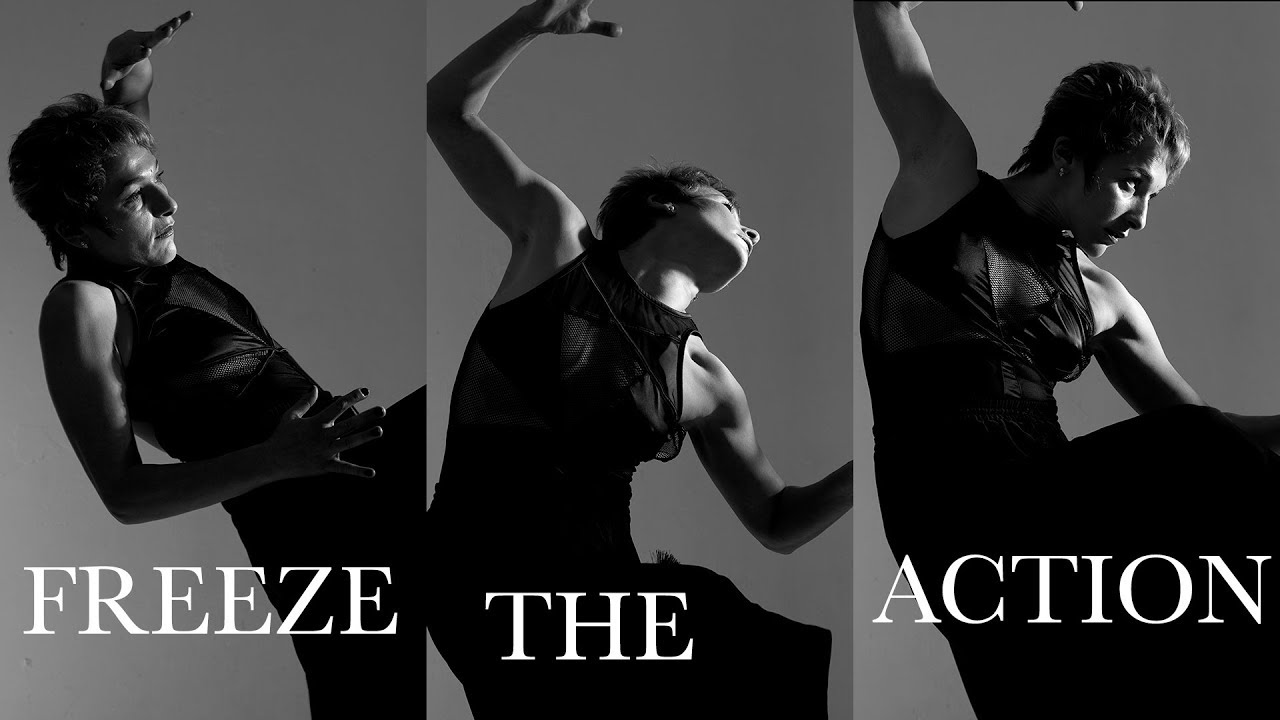

Flash as Sunlight: How to Freeze Motion and Shape Dramatic Black-and-White Portraits

Flash as Sunlight: How to Freeze Motion and Shape Dramatic Black-and-White Portraits

Most of the lighting problems I see photographers struggle with are not about having the wrong gear. They are about not recognizing what the light is already doing and then deciding how to control it. I spent years in commercial studios watching photographers fight the available light when they should have been augmenting it. In this Daniel Norton Photographer tutorial, Watch the full tutorial on YouTube, Daniel walks through a setup that does exactly that: he spots natural window light coming into his studio, decides it looks like sunlight, and then uses a strobe to replicate and amplify that quality at a power level that actually freezes motion.

Three Variables That Actually Freeze Action with Strobes (No High-Speed Sync Required)

Three Variables That Actually Freeze Action with Strobes (No High-Speed Sync Required)

Most of the photographers I work with in commercial studios assume you need high-speed sync to freeze a moving subject. It’s an understandable assumption. HSS is the obvious tool, it’s what the gear manufacturers push, and it sounds technically correct. But HSS comes with a real cost: it cuts your effective flash power significantly, which means you’re fighting for exposure before you’ve even started solving the motion problem. There’s a cleaner approach, and Jay P.