Why Your Photoshop Presets Are Probably Undermining Your Own Workflow

Why Your Photoshop Presets Are Probably Undermining Your Own Workflow

The first time I built a Photoshop action, I was 26, working a late shift at a studio in the West Loop, and I had just spent four hours manually resizing and sharpening 80 product images for a catalog client. Same crop. Same output size. Same sharpening radius. Eighty times. By image 60, I wasn’t even seeing the photos anymore, just clicking through the motions like a machine pretending to be a person.

How Photoshop Actions Actually Work (And Why Most People Build Them Wrong)

How Photoshop Actions Actually Work (And Why Most People Build Them Wrong)

The first action I ever built was embarrassing. I was 26, working in a commercial studio, and I’d just spent an afternoon doing the same sequence of steps on 60 product images: flatten, convert to sRGB, sharpen, resize to 2000px on the long edge, save as JPEG at quality 10. Sixty times. By hand. I recorded the action that evening, ran it on the next batch in about four minutes, and felt like I had unlocked something the rest of the industry was hiding from me.

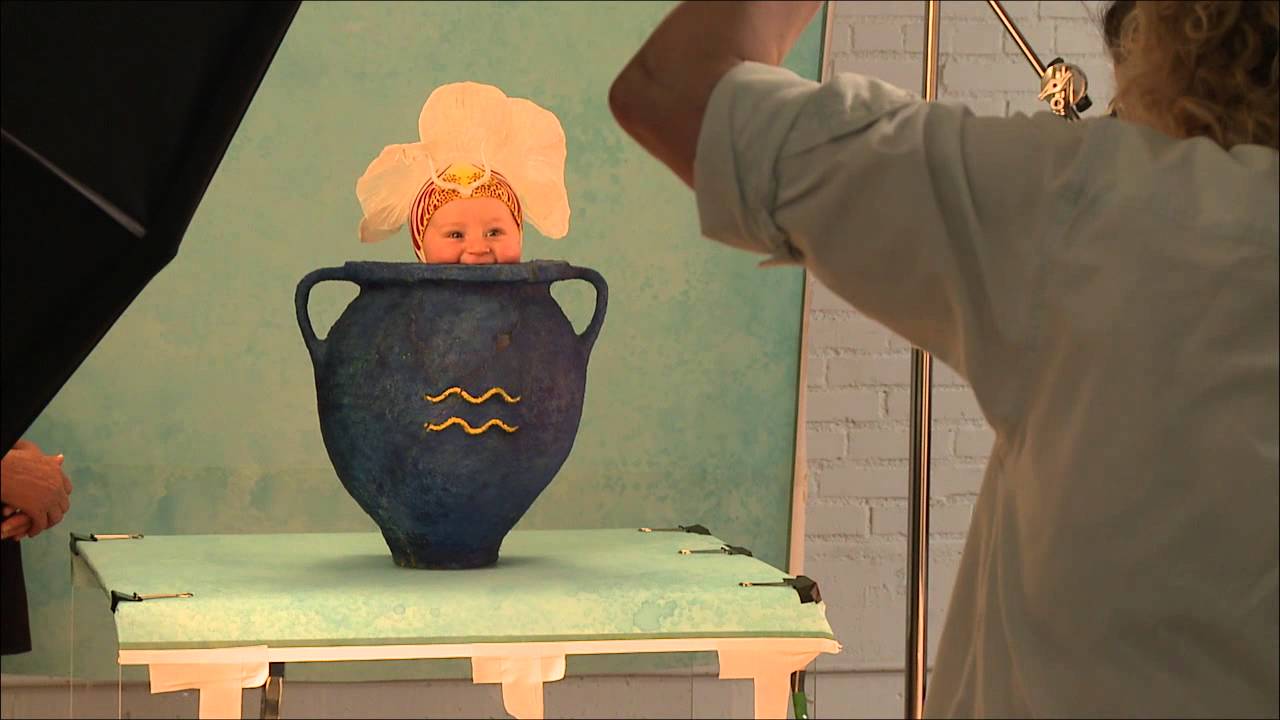
What Anne Geddes' 2016 Calendar Shoot Teaches Us About Directing and Capturing Unpredictable Subjects

What Anne Geddes' 2016 Calendar Shoot Teaches Us About Directing and Capturing Unpredictable Subjects

There’s a particular kind of pressure that comes with shooting a calendar. The deadline is fixed, the concept is locked, and every image has to carry weight on its own because each one gets thirty days of eyeball time on someone’s wall. I’ve assisted on enough commercial campaigns to know that the shoots that look the most effortless in the final product were usually the most exhausting to pull off. That’s exactly why I keep coming back to behind-the-scenes footage from photographers who’ve mastered that gap between chaos and control.

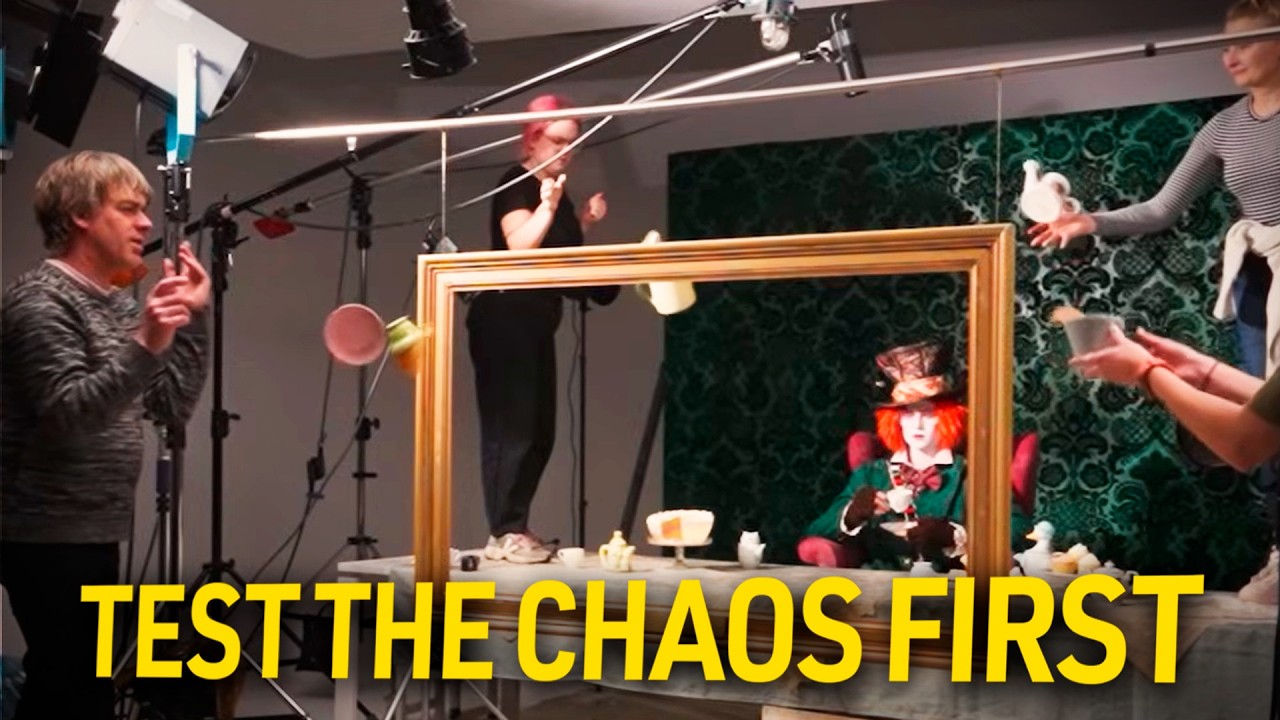
Test the Chaos First: Why Pre-Testing Unpredictable Elements Saves Complex Shoots

Test the Chaos First: Why Pre-Testing Unpredictable Elements Saves Complex Shoots

There’s a principle I’ve carried from studio work into every project I consult on now: the thing most likely to blow up your shoot is the thing you haven’t tested yet. Not the lighting, not the model’s availability, not the client’s last-minute brief changes. It’s the one physical or mechanical variable you assumed would “just work.” I’ve watched shoots grind to a halt because nobody confirmed whether a product would hold its shape under heat, or whether a fabric would move the way the mood board suggested.