Building a Cohesive Cinematic Workflow: 7Artisans' New Budget-Friendly Lens Ecosystem

Building a Cohesive Cinematic Workflow: 7Artisans' New Budget-Friendly Lens Ecosystem

I’ve been thinking a lot lately about how the tools we choose in pre-production ripple through our entire post-production pipeline. So when I heard about 7Artisans launching their new Dream Cine Lens Series, it immediately caught my attention—not just as a gear announcement, but as a workflow consideration. Why Lens Choice Matters Beyond the Shoot Here’s something we don’t talk about enough in the Photoshop and post-production community: the lenses you choose during filming directly impact how you’ll grade and correct footage later.

The TourBox Lite: A Game-Changer for Streamlining Your Photoshop Workflow

The TourBox Lite: A Game-Changer for Streamlining Your Photoshop Workflow

Finally, a Hardware Solution That Makes Sense I’ve spent years watching digital artists waste precious creative time hunting through menus, clicking nested folders, and breaking their creative flow to access frequently-used commands. The TourBox Lite addresses this frustration head-on, and at just $84.99, it’s an investment that actually pays for itself in recovered productivity. What Makes This Different? Unlike traditional keyboards or mice, the TourBox Lite is specifically designed for creative professionals who work with software like Photoshop.

Why Multi-Device Audio Interfaces Matter for Your Creative Workflow

Why Multi-Device Audio Interfaces Matter for Your Creative Workflow

The Audio Problem Nobody Talks About I’ve been reviewing creative tools for years now, and here’s something I’ve noticed: we spend enormous energy optimizing our visual workflows—stacking Photoshop actions, building preset libraries, automating color grading—but our audio setups often remain fragmented disasters. You’ve got a USB cable here, a 3.5mm jack there, and your smartphone sitting uselessly on the desk because nothing plays nicely together. That’s why I’m genuinely excited about what’s happening in the audio interface space right now.

Compact Camera Gimbals Are Changing How We Capture Content for Post-Production

Compact Camera Gimbals Are Changing How We Capture Content for Post-Production

I’ve been testing compact gimbal cameras lately, and I’m genuinely impressed by how they’re transforming the way creators approach both shooting and editing. These tools are becoming essential for anyone serious about efficient post-production workflows. Why Gimbal Cameras Matter for Your Workflow For years, I’ve relied on various stabilization methods—gimbals, rigs, even creative handheld techniques. But the latest generation of compact cameras with built-in stabilization is game-changing. When you’re capturing footage that’s already smooth and stabilized at the source, your entire post-production pipeline becomes dramatically simpler.

When Camera Tech Wars Heat Up: What Creators Need to Know

When Camera Tech Wars Heat Up: What Creators Need to Know

When Camera Tech Wars Heat Up: What Creators Need to Know I’ve been watching the camera and content creation space closely for years, and I have to say—the patent lawsuits flying between DJI and Insta360 over the past couple of days caught my attention in a big way. This isn’t just industry drama; it could actually affect how we approach our creative workflows. The Battle That’s Heating Up The two companies have simultaneously filed competing patent infringement claims in the U.

Limited-Edition Hello Kitty Insta360 Go Ultra: Why Aesthetic Hardware Matters for Your Creative Workflow

Limited-Edition Hello Kitty Insta360 Go Ultra: Why Aesthetic Hardware Matters for Your Creative Workflow

When Gear Gets Personal I’ve been thinking a lot lately about how the tools we choose influence our creative output. It’s not just about specs and performance—though those matter—it’s also about whether you actually want to pick up your equipment every morning. Insta360 just released something that speaks directly to this philosophy: a limited-edition Hello Kitty collaboration for their Go Ultra action camera. What’s Included in the Bundle The package goes beyond slapping a character on a pink chassis.

Portable Power Solutions Are Finally Making Remote Creative Workflows Viable

Portable Power Solutions Are Finally Making Remote Creative Workflows Viable

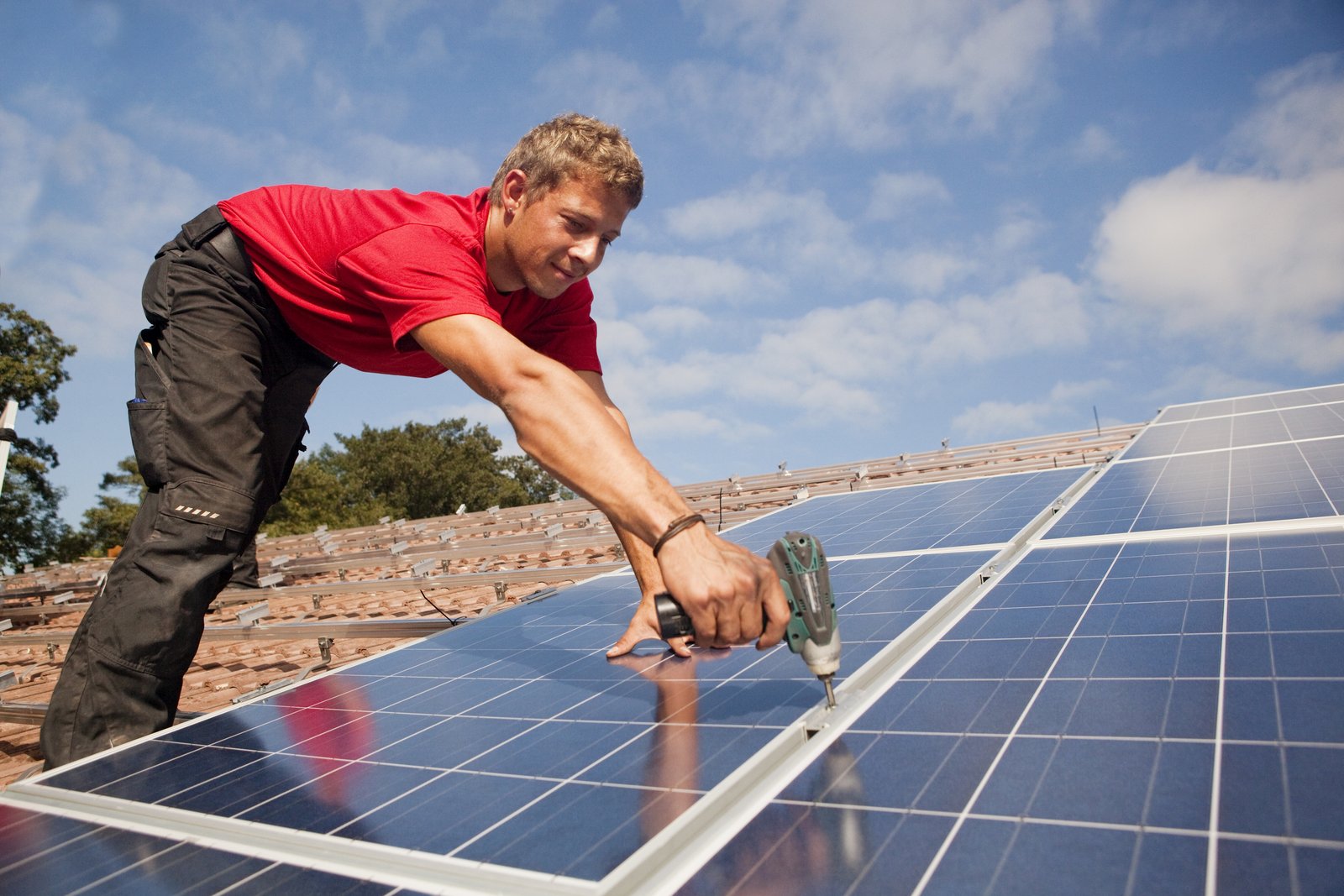
The Remote Creator’s Power Problem I’ve always been fascinated by the tension between creative freedom and technical constraints. Sure, you can escape to a remote cabin with your camera and laptop, but what happens when your battery dies three hours into color grading? Until recently, this meant choosing between artistic isolation and the reliable power infrastructure of urban studios. That’s changing. I’ve been researching the latest generation of portable solar power systems, and they’re mature enough now to genuinely support demanding creative workflows—not just charge your phone.

How Tenebris Somnia Blends Live-Action and Pixel Art Horror—A Visual Effects Workflow Study

How Tenebris Somnia Blends Live-Action and Pixel Art Horror—A Visual Effects Workflow Study

When Two Visual Worlds Collide I’ve been following the development of Tenebris Somnia closely, and what Airdorf and Andrés Borghi are attempting is genuinely ambitious from a visual workflow perspective. They’re not just making a horror game—they’re engineering a collision between retro pixel art and live-action cinematography. Launching October 16, this project represents something I find endlessly fascinating: how modern creators are deconstructing the “rules” of visual design. The Challenge of Dual Aesthetics What strikes me most about this approach is the workflow complexity it demands.

What AI-Generated Cinema Means for Digital Creators Using Presets and Actions

What AI-Generated Cinema Means for Digital Creators Using Presets and Actions

AI Takes Center Stage at Tribeca The upcoming Tribeca Film Festival is making headlines for premiering something genuinely unprecedented: a full-length feature film created entirely through AI generation. No human actors. No traditional cinematography. Just machine learning and algorithms doing the heavy lifting from start to finish. When I first heard about this, my immediate thought wasn’t just about filmmaking—it was about what this signals for all of us working in digital content creation spaces.

How AI-Powered Home Automation Is Reshaping Visual Content Workflows

How AI-Powered Home Automation Is Reshaping Visual Content Workflows

The Convergence of Home Tech and Creative Tools I’ve been watching Google’s Gemini integration closely, and there’s something genuinely interesting happening at the intersection of smart home technology and creative workflows. The latest update lets Gemini analyze what your home cameras are seeing and automatically trigger routines based on visual recognition. While this sounds like a smart home story on the surface, I think photographers and video creators should pay attention to what’s really happening here.

Apple's Display Calibration Just Got Easier: What This Means for Your Color Workflow

Apple's Display Calibration Just Got Easier: What This Means for Your Color Workflow

Finally, a Colorimeter That Works With Apple’s System I’ve been waiting for this moment. After years of watching photographers jump through hoops to calibrate their Apple displays properly, we finally have a breakthrough. Calibrite’s Display Plus HL has just received approval to work directly with Apple’s hardware-based display calibration workflow—and it’s the first colorimeter to do so. This isn’t just a minor update. It’s a significant shift in how Mac-based photo editors can approach color management.

From Practical Effects to Digital: How Action Directors Are Rethinking Visual Workflows

From Practical Effects to Digital: How Action Directors Are Rethinking Visual Workflows

The Bridge Between Set and Screen I’ve been following the evolution of how filmmakers approach post-production workflows, and there’s a fascinating trend emerging: directors are increasingly treating their digital pipelines like practical effects setups. Rather than relying solely on standard presets and default settings, they’re engineering custom workflows that mirror decisions they’d make on a physical set. This shift caught my attention recently when I learned about how action directors are now applying hands-on cinematography thinking to their Photoshop and color grading work.