Portable Power Solutions Are Finally Making Remote Creative Workflows Viable

Portable Power Solutions Are Finally Making Remote Creative Workflows Viable

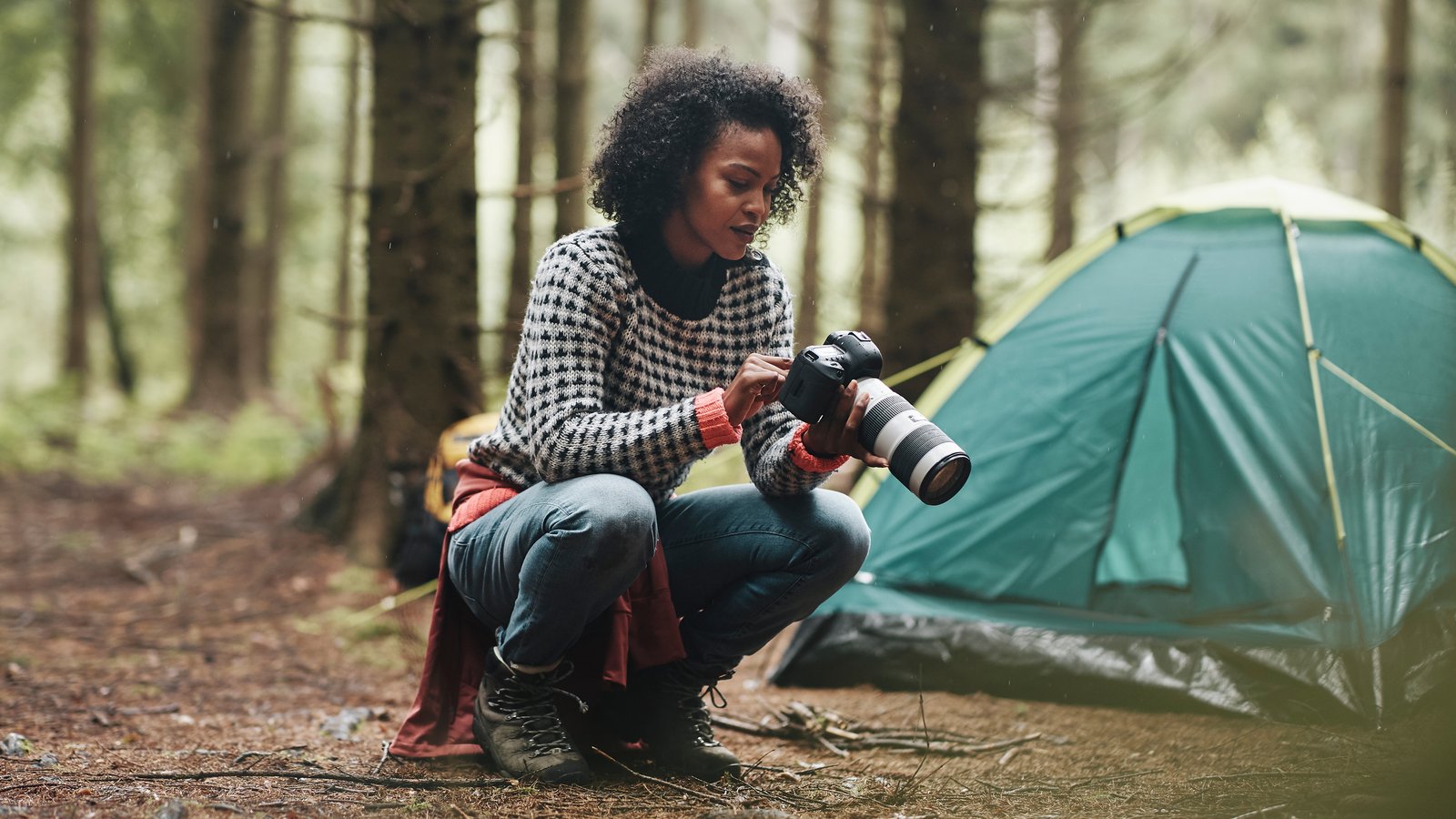
The Remote Creator’s Power Problem I’ve always been fascinated by the tension between creative freedom and technical constraints. Sure, you can escape to a remote cabin with your camera and laptop, but what happens when your battery dies three hours into color grading? Until recently, this meant choosing between artistic isolation and the reliable power infrastructure of urban studios. That’s changing. I’ve been researching the latest generation of portable solar power systems, and they’re mature enough now to genuinely support demanding creative workflows—not just charge your phone.

How Tenebris Somnia Blends Live-Action and Pixel Art Horror—A Visual Effects Workflow Study

How Tenebris Somnia Blends Live-Action and Pixel Art Horror—A Visual Effects Workflow Study

When Two Visual Worlds Collide I’ve been following the development of Tenebris Somnia closely, and what Airdorf and Andrés Borghi are attempting is genuinely ambitious from a visual workflow perspective. They’re not just making a horror game—they’re engineering a collision between retro pixel art and live-action cinematography. Launching October 16, this project represents something I find endlessly fascinating: how modern creators are deconstructing the “rules” of visual design. The Challenge of Dual Aesthetics What strikes me most about this approach is the workflow complexity it demands.

What AI-Generated Cinema Means for Digital Creators Using Presets and Actions

What AI-Generated Cinema Means for Digital Creators Using Presets and Actions

AI Takes Center Stage at Tribeca The upcoming Tribeca Film Festival is making headlines for premiering something genuinely unprecedented: a full-length feature film created entirely through AI generation. No human actors. No traditional cinematography. Just machine learning and algorithms doing the heavy lifting from start to finish. When I first heard about this, my immediate thought wasn’t just about filmmaking—it was about what this signals for all of us working in digital content creation spaces.

How AI-Powered Home Automation Is Reshaping Visual Content Workflows

How AI-Powered Home Automation Is Reshaping Visual Content Workflows

The Convergence of Home Tech and Creative Tools I’ve been watching Google’s Gemini integration closely, and there’s something genuinely interesting happening at the intersection of smart home technology and creative workflows. The latest update lets Gemini analyze what your home cameras are seeing and automatically trigger routines based on visual recognition. While this sounds like a smart home story on the surface, I think photographers and video creators should pay attention to what’s really happening here.

Apple's Display Calibration Just Got Easier: What This Means for Your Color Workflow

Apple's Display Calibration Just Got Easier: What This Means for Your Color Workflow

Finally, a Colorimeter That Works With Apple’s System I’ve been waiting for this moment. After years of watching photographers jump through hoops to calibrate their Apple displays properly, we finally have a breakthrough. Calibrite’s Display Plus HL has just received approval to work directly with Apple’s hardware-based display calibration workflow—and it’s the first colorimeter to do so. This isn’t just a minor update. It’s a significant shift in how Mac-based photo editors can approach color management.

From Practical Effects to Digital: How Action Directors Are Rethinking Visual Workflows

From Practical Effects to Digital: How Action Directors Are Rethinking Visual Workflows

The Bridge Between Set and Screen I’ve been following the evolution of how filmmakers approach post-production workflows, and there’s a fascinating trend emerging: directors are increasingly treating their digital pipelines like practical effects setups. Rather than relying solely on standard presets and default settings, they’re engineering custom workflows that mirror decisions they’d make on a physical set. This shift caught my attention recently when I learned about how action directors are now applying hands-on cinematography thinking to their Photoshop and color grading work.

How AI-Powered Workflow Optimization is Reshaping Creative Automation

How AI-Powered Workflow Optimization is Reshaping Creative Automation

The AI Revolution Hitting Creative Workflows I’ve been watching the creative software landscape closely, and I’m genuinely excited about where things are heading. Google just rolled out a suite of AI-powered features designed to streamline complex workflows, and honestly? The implications for digital creators go way beyond what they’re positioning it for. What Google is doing with their Gemini for Science collection mirrors something I’ve been preaching here for years: automation and intelligence should work together to eliminate repetitive friction.

What GoPro's Patent Victory Teaches Us About Creative Tools and Innovation

What GoPro's Patent Victory Teaches Us About Creative Tools and Innovation

I’ve been following the creative tech landscape long enough to know that patent disputes can feel disconnected from what we actually care about—making better work, faster. But GoPro’s recent patent victory is worth paying attention to, because it highlights something fundamental about how we build our creative toolkits. The Ruling That Matters More Than You’d Think After more than a decade of legal battles, a judge has ruled that GoPro’s mobile streaming technology doesn’t infringe on existing patents.

What Disney's Facial Recognition Lawsuit Means for Photo Workflows

What Disney's Facial Recognition Lawsuit Means for Photo Workflows

The Disney Case: What’s Actually Happening I’ve been following a developing legal situation that’s caught my attention—and honestly, it should catch yours too. Disney is facing a class action lawsuit centered on their use of facial recognition technology throughout their theme parks. The core complaint? Visitors aren’t getting clear enough notice that their faces are being scanned and processed. Now, on the surface, this might seem disconnected from what we do here—optimizing Photoshop workflows and discussing presets.

Why Big Tech's Legal Troubles Matter to Creative Professionals

Why Big Tech's Legal Troubles Matter to Creative Professionals

Why Big Tech’s Legal Troubles Matter to Creative Professionals I’ve been thinking a lot lately about the relationship between the platforms we rely on and the accountability they owe us. When I heard about Amazon facing significant legal action over undisclosed tariff charges, it got me wondering: what does corporate accountability really mean for those of us building creative workflows? The Bigger Picture for Digital Professionals Here’s the situation: Amazon is currently defending itself against a substantial class action lawsuit alleging that customers weren’t properly refunded after tariffs were unlawfully applied to their purchases.

What GoPro's Award-Winning 8K Cameras Mean for Your Post-Production Workflow

What GoPro's Award-Winning 8K Cameras Mean for Your Post-Production Workflow

What GoPro’s Award-Winning 8K Cameras Mean for Your Post-Production Workflow I’ve been following the emerging compact camera space closely, and I have to say—the industry buzz around GoPro’s Mission 1 series caught my attention immediately. These tiny powerhouses just swept up three awards at NAB Show, and honestly, it’s not hard to see why the judges were impressed. The Specs That Matter for Your Editing Suite We’re talking about 8K resolution packed into a body small enough to mount anywhere.

Why Workflow Automation Matters: Learning from Kalshi's Enforcement Actions

Why Workflow Automation Matters: Learning from Kalshi's Enforcement Actions

The Power of Preset Rules in Preventing Problems I’ve been thinking a lot lately about how we build safeguards into our creative workflows, and a recent story about prediction market Kalshi really crystallized something important for me. The platform recently suspended three political candidates—Mark Moran from Virginia, Matt Klein from Minnesota, and Ezekiel Enriquez from Texas—for suspected insider trading activity. Here’s what caught my attention: Kalshi caught these violations because they’d implemented automated rules just last month specifically designed to flag suspicious behavior.