I keep meticulous records. Backup drives for my backup drives, spreadsheets tracking every hour saved, color-coded folder hierarchies that my kids find genuinely embarrassing. So when I say copyright and image licensing is something every working photographer should have documented and understood, you can trust that I’m not being dramatic. After 15 years shooting and post-producing work for ad agencies and e-commerce brands, I’ve watched colleagues lose licensing disputes they should have won, and I’ve seen clients try to use images they had absolutely no right to use. The law in this area is murkier than most people realize, and a recent court case makes that clearer than ever.
In this Tony and Chelsea Northrup tutorial, Watch the full tutorial on YouTube, Tony walks through the doctrine of fair use in US copyright law using a real, recent lawsuit as the anchor. The case involves a photographer whose image was used without permission, who sued, and who then lost, not because he was wrong that it was his image, but because the court decided the usage qualified as fair use. If that sounds infuriating, it is. But understanding why it happened is genuinely useful.
A quick note before we get into the breakdown: this is US law specifically. Other countries have comparable frameworks but the details differ significantly. Tony also makes clear, and I’ll echo it here, that none of this replaces actual legal counsel. Use this as orientation, not as a playbook for a lawsuit.
Step 1: Understand What Fair Use Actually Is
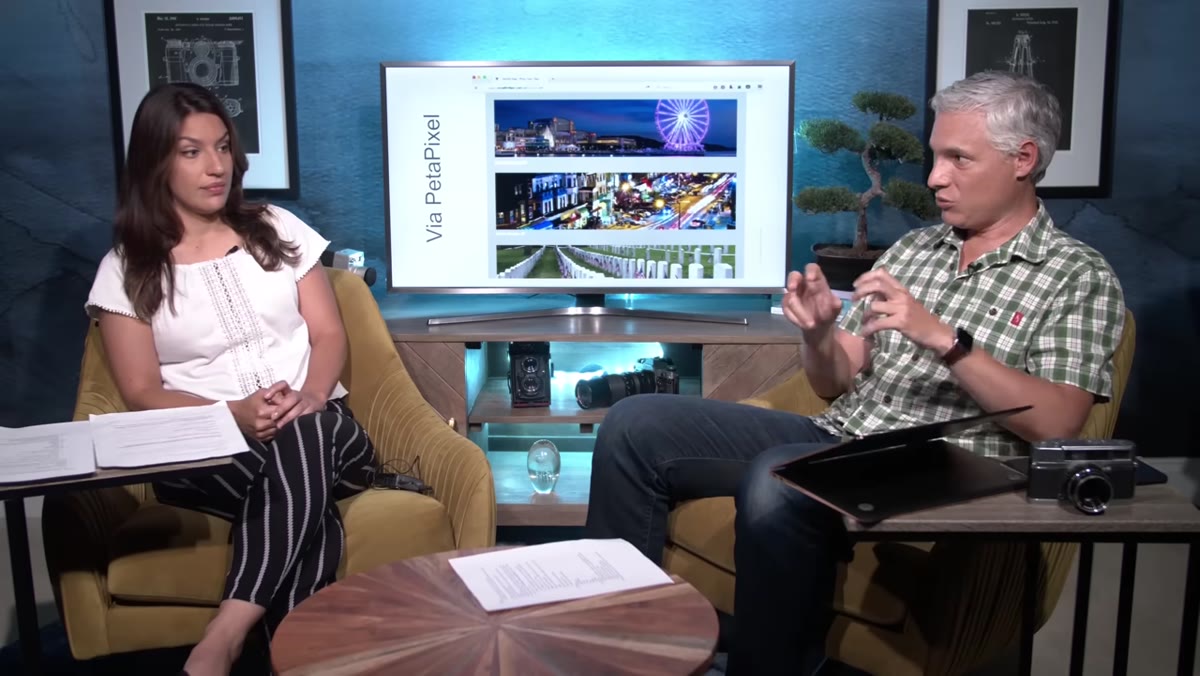 Tony explaining what fair use exemptions cover
Fair use is a legal doctrine that permits the use of copyrighted material without the owner’s permission under certain conditions. It exists because completely rigid copyright enforcement would make a lot of legitimate activity impossible: criticism, commentary, education, search indexing. The doctrine doesn’t give blanket permission. Instead, courts weigh a set of factors to determine whether a specific use qualifies. The important thing to internalize early is that fair use is a defense, not a right. You only invoke it after someone sues you.
Tony explaining what fair use exemptions cover
Fair use is a legal doctrine that permits the use of copyrighted material without the owner’s permission under certain conditions. It exists because completely rigid copyright enforcement would make a lot of legitimate activity impossible: criticism, commentary, education, search indexing. The doctrine doesn’t give blanket permission. Instead, courts weigh a set of factors to determine whether a specific use qualifies. The important thing to internalize early is that fair use is a defense, not a right. You only invoke it after someone sues you.
For photographers, this matters in two directions. Your images can potentially be used by others under fair use, and you may be able to use others’ images in your own work. Knowing which direction you’re facing in a given situation shapes everything.
Step 2: Learn the Categories That Typically Qualify
 Tony listing accepted fair use categories on screen
Several categories of use have been consistently upheld as fair use by US courts. Search engines are one: when Google Images shows a thumbnail of your copyrighted photo in search results, that’s considered acceptable because search engines must index content to function. Criticism and commentary are another big one, including movie reviews that include clips or frames, or a photography critique that reproduces an image to analyze it. Parody also qualifies, as does news reporting and educational use in certain contexts.
Tony listing accepted fair use categories on screen
Several categories of use have been consistently upheld as fair use by US courts. Search engines are one: when Google Images shows a thumbnail of your copyrighted photo in search results, that’s considered acceptable because search engines must index content to function. Criticism and commentary are another big one, including movie reviews that include clips or frames, or a photography critique that reproduces an image to analyze it. Parody also qualifies, as does news reporting and educational use in certain contexts.
These categories aren’t automatic passes. They’re starting points. A court will still examine how the image was used within that category, how much of the original was reproduced, and whether the use could economically harm the original creator.
Step 3: Study the Brammer Case as a Real-World Example
 Description of Russell Brammer’s Washington DC long-exposure photograph
The case Tony centers the video on involves photographer Russell Brammer, who shot a long-exposure photograph of a Washington DC neighborhood. A local music festival used the image on their website without purchasing a license. Brammer contacted them, they took it down, and he sued anyway. He lost.
Description of Russell Brammer’s Washington DC long-exposure photograph
The case Tony centers the video on involves photographer Russell Brammer, who shot a long-exposure photograph of a Washington DC neighborhood. A local music festival used the image on their website without purchasing a license. Brammer contacted them, they took it down, and he sued anyway. He lost.
The festival’s argument was that they used the photo in a “things to do in the area” context, essentially treating it as informational or editorial rather than commercial promotion. The judge agreed. Whether or not that feels like justice, it illustrates something critical: the intent and context of the use matters enormously to how courts interpret these cases.
Step 4: Apply the Four-Factor Test Courts Actually Use
 Tony outlining the framework courts use to evaluate fair use
US courts evaluate fair use claims using four factors. The first is the purpose and character of the use: commercial use weighs against fair use, while educational or transformative use weighs toward it. The second is the nature of the original work. Creative, expressive work gets stronger copyright protection than factual or informational content. The third factor is how much of the original work was used. Using a cropped or low-resolution version is treated differently than reproducing the entire original. The fourth, and often most decisive, is the effect on the market for the original. If the use could substitute for a licensed version and cost the photographer income, that weighs heavily against fair use.
Tony outlining the framework courts use to evaluate fair use
US courts evaluate fair use claims using four factors. The first is the purpose and character of the use: commercial use weighs against fair use, while educational or transformative use weighs toward it. The second is the nature of the original work. Creative, expressive work gets stronger copyright protection than factual or informational content. The third factor is how much of the original work was used. Using a cropped or low-resolution version is treated differently than reproducing the entire original. The fourth, and often most decisive, is the effect on the market for the original. If the use could substitute for a licensed version and cost the photographer income, that weighs heavily against fair use.
No single factor is automatically decisive. Courts look at all four together, which is exactly why these cases are unpredictable and why Tony and Chelsea stress that outcomes depend on the specific judge and the specific context.
Step 5: Know What This Means If You’re Protecting Your Work
 Tony explaining how the festival’s website context affected the ruling
For working photographers, the practical takeaway from the Brammer case is uncomfortable: simply having your copyright registered and being able to prove you shot the image doesn’t guarantee you’ll win in court. Context of the use, economic harm, and how transformative or informational the usage was will all be weighed.
Tony explaining how the festival’s website context affected the ruling
For working photographers, the practical takeaway from the Brammer case is uncomfortable: simply having your copyright registered and being able to prove you shot the image doesn’t guarantee you’ll win in court. Context of the use, economic harm, and how transformative or informational the usage was will all be weighed.
Registration still matters. Copyright in the US exists automatically when you create an image, but registering it with the US Copyright Office gives you access to statutory damages and attorney’s fees if you sue, which dramatically changes the economics of litigation. Without registration before infringement occurs, you may only be entitled to actual damages, which are often difficult to prove and small.
From My Own Post-Production Work: The Practical Steps I Actually Take
I’ve never had to sue anyone, but I have had clients casually drop images into briefs as “reference” and then expect to use them in final deliverables. Here’s what I do to stay protected and keep clients honest.
First, every image I license to a client gets a metadata-embedded copyright notice baked in before delivery, which I do as part of my export action sequence. It takes zero extra time and creates a paper trail. Second, I keep delivery receipts that specify exact licensing terms: usage type, duration, and exclusivity. When a client comes back two years later wanting to reuse a hero image in a new campaign, we’re renegotiating, not just re-exporting. Third, for any image I’m considering using in promotional or educational content on my own channels, I run through the four-factor test mentally before posting. Commercial context is the flag that should make you pause longest.
The Brammer case is a good reminder that photographers can do everything right and still lose if the usage sits in a gray zone. Your best protection isn’t just legal knowledge. It’s clean documentation, timely registration, and licensing terms that are specific enough to stand up to scrutiny.
The single most important thing to take away from this tutorial is that fair use is not a loophole that protects everyone who steals images, but it is a genuine legal defense that can protect certain uses you might assume are clearly illegal. Courts look at context, intent, transformation, and economic harm together, and outcomes are genuinely unpredictable without those factors in your favor. Understanding the framework doesn’t make you a lawyer, but it does make you a more informed creator.
Watch the full tutorial on YouTube to hear Tony and Chelsea walk through additional examples and the specific language courts use when evaluating these cases.
Comments (3)
I keep coming back to this article. It's that useful.
Wow, I had no idea you could do this. Mind blown.
This is going in my reference folder. Incredibly useful.
Leave a Comment