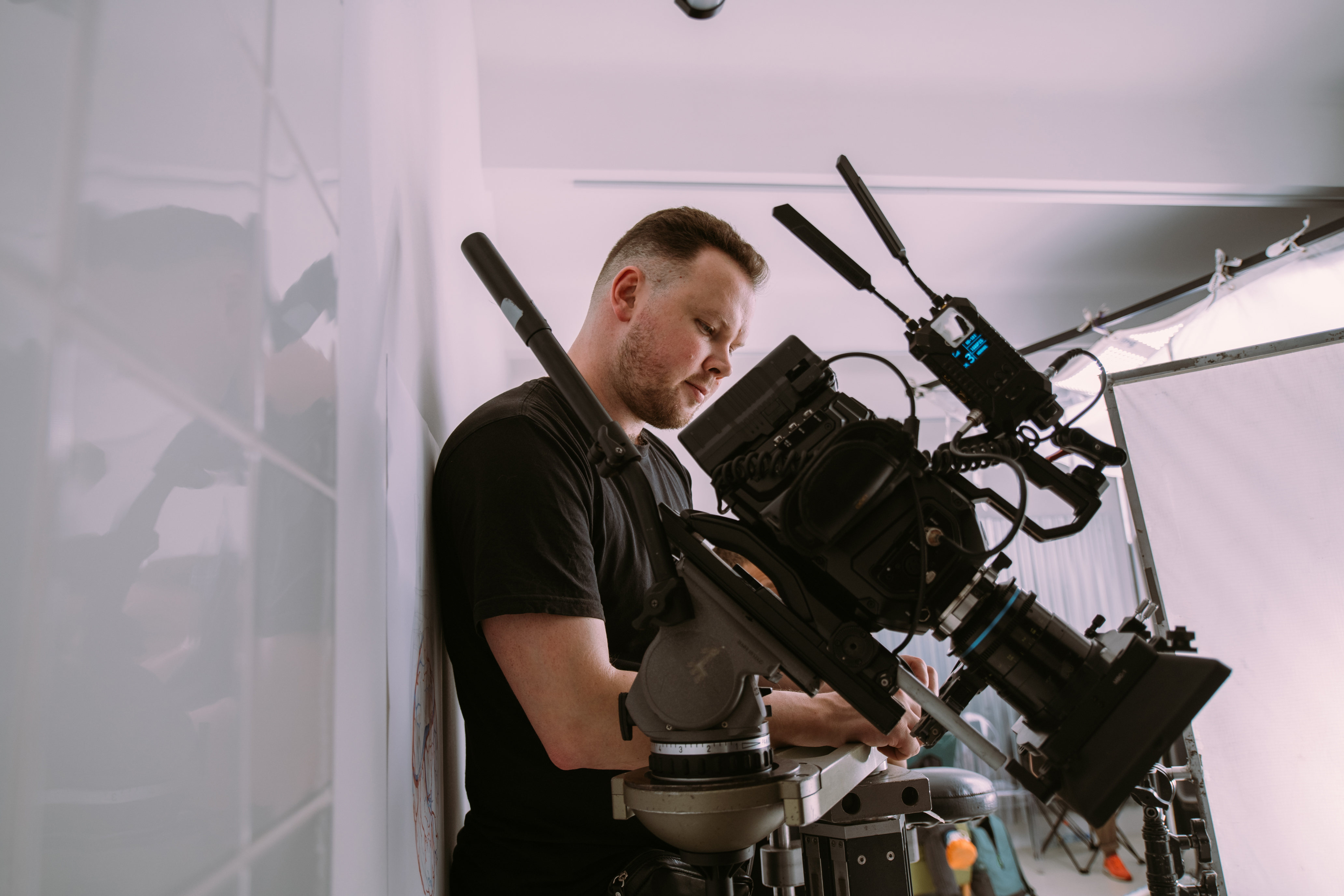
What GoPro’s Award-Winning 8K Cameras Mean for Your Post-Production Workflow
I’ve been following the emerging compact camera space closely, and I have to say—the industry buzz around GoPro’s Mission 1 series caught my attention immediately. These tiny powerhouses just swept up three awards at NAB Show, and honestly, it’s not hard to see why the judges were impressed.
The Specs That Matter for Your Editing Suite
We’re talking about 8K resolution packed into a body small enough to mount anywhere. The 50MP sensor is genuinely impressive, but what really got me thinking is the workflow implications. When you’re capturing at this resolution in such a compact form factor, your entire post-production pipeline changes.
I immediately started thinking about how this affects preset creation. 8K footage demands different color grading approaches than we’ve traditionally optimized for. The data volume alone means you need streamlined Photoshop actions and adjustment workflows just to keep your system responsive during editing.
Why the Awards Matter Beyond the Hype
Three NAB Show awards don’t happen by accident. These recognitions suggest the Mission 1 series addresses genuine pain points that professionals care about—reliability, image quality, and usability. That’s the trifecta that makes or breaks a camera system in real-world production environments.
But here’s what excited me most: cameras like this democratize 8K production. Suddenly, creators without massive budgets can capture premium footage. That means more people will need optimized workflows, presets, and actions designed specifically for 8K color correction and grading.
The Workflow Conversation Starts Now
I’m already thinking about how our preset libraries need to evolve. Traditional action sets built for 4K or Full HD workflows might not scale efficiently to 8K projects. The computational demands are different. The color spaces need recalibration. The file management becomes critical.
For anyone serious about video production right now, this is the moment to start experimenting with 8K workflows before the technology becomes mainstream. Build your action sets now. Test your presets. Optimize your adjustment layer hierarchies.
The fact that these cameras haven’t even launched yet and they’re already collecting industry accolades tells me something important: professional creators are hungry for this capability. When launch day arrives, they’ll need workflow solutions ready to go.
That’s where we come in. These award-winning cameras are just the beginning of a significant shift in how we’ll need to approach post-production optimization.
Comments (9)
I tried this on a client project yesterday and the results were way better than expected.
Tried this technique this morning. Game changer for real.
Solid advice. Especially the part about taking your time with it.
Printing this out and pinning it next to my monitor. That good.
Couldn't agree more. I've seen this make a huge difference in business work specifically.
I've watched a dozen tutorials on this and yours is the clearest by far.
Finally someone explains this in a way that actually makes sense.
I've been looking for exactly this kind of tutorial. Perfect timing.
Simple but effective. Sometimes that's all you need.
Leave a Comment