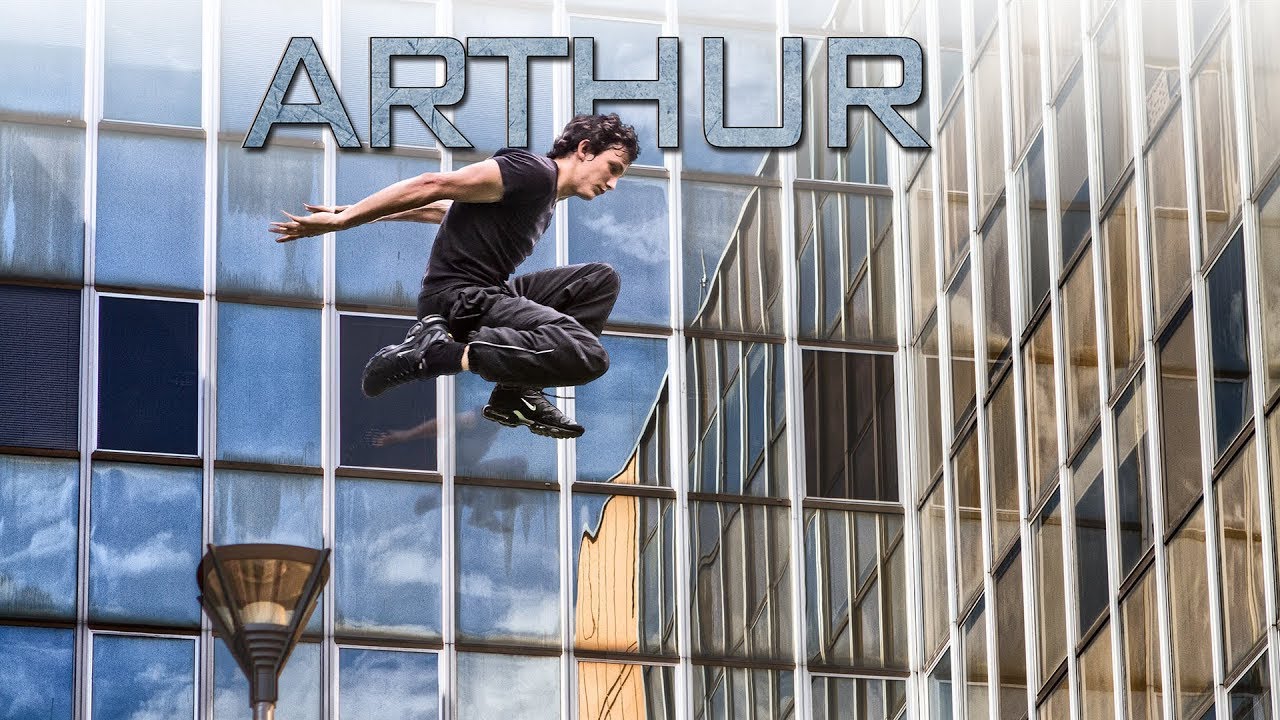
I’ve been following Serge Ramelli’s work for years, and when I discovered he’d shot an entire action short film on the Canon 7D and 5D Mark II, I had to dive deeper. In this excellent tutorial, Serge Ramelli shows us not just what he shot, but the practical decisions that went into creating “Arthur” — a compelling parkour short that demonstrates how technical constraints can actually sharpen your creative vision.
What fascinated me most wasn’t just the finished product, but the workflow implications. This is a masterclass in working with the tools you have, not waiting for perfect gear.
The Gear Foundation: Canon 7D and 5D Mark II
Let me be direct: the Canon 7D and 5D Mark II are now considered vintage cameras by today’s standards. Yet Serge pulled off professional-quality action footage. Here’s what matters about this gear choice:
The Canon 7D brought excellent autofocus tracking for moving subjects — critical when you’re filming parkour sequences where your subject is literally flying across rooftops. The 5D Mark II contributed its legendary full-frame sensor and low-light performance, which became essential during the film’s dramatic moments.
What I appreciate about Serge’s honesty here is that he didn’t wait for better cameras. He understood the strengths of what he had and built his workflow around those strengths. That’s a lesson I keep coming back to: your workflow matters infinitely more than your gear list.
Understanding the Project Brief
The narrative is deceptively simple: Arthur goes to school via parkour, witnesses trouble on the way home, and intervenes. But this simplicity is strategic. Serge wasn’t trying to tell a complex story — he was using the story as a framework to showcase movement, cinematography, and pacing.
When you’re establishing your own workflow for action shorts, this is critical. Define what you’re trying to show first. Are you showcasing athleticism? Cinematography? Story? Serge’s choice to focus on movement meant every technical decision downstream supported that priority.
Shooting Strategy for Action Sequences
One thing Serge doesn’t explicitly state but demonstrates clearly: action sequences require over-shooting. You need multiple angles, multiple takes, and contingency footage. When your subject is performing parkour — a physically risky activity — you can’t just ask them to do another take indefinitely.
This shapes your workflow before you even hit record:
- Scout locations obsessively. Know your angles before the athlete arrives.
- Establish safety protocols. You’re filming professionals, but accidents happen.
- Plan for lighting changes. Action often happens outdoors where you can’t control the sun.
- Shoot in intervals. Short bursts with rest periods prevent fatigue and injury.
The 7D’s superior continuous autofocus became crucial here. Serge could track movement without hunting focus, keeping the action sharp while he concentrated on composition.
The Dual-Camera Workflow
Shooting with both the 7D and 5D Mark II simultaneously (or in sequence) requires discipline. You’re essentially capturing the same scene twice, which means:
- Synchronized audio between cameras becomes non-negotiable
- Color-grading needs consistency across different sensor characteristics
- Project management gets complex — you’ve got twice as much footage to organize
But here’s the efficiency gain: you get different focal lengths and sensor characteristics without moving locations. The 7D’s crop sensor and the 5D’s full-frame sensor give you natural variety. In post-production, you can cut between them for dynamic pacing without reshooting.
Post-Production Workflow Implications
This is where many tutorials get vague, but it’s where your productivity actually lives. Serge’s shooting choices directly enabled his editing choices.
The parkour sequences required:
- Color grading to unify footage from two different cameras
- Sound design to elevate the athletic movement (the sound of landing, breathing, effort)
- Pacing edits that accelerate and decelerate with narrative tension
By planning the shoot with post-production in mind — capturing multiple angles, maintaining consistent framing, and logging footage properly — Serge eliminated the most common workflow killer: scrambling in post to make footage work that was never captured correctly.
Honest Assessment: What Works and What Doesn’t
The Canon 7D and 5D Mark II aren’t ideal for modern video work. They lack 4K, their video codecs are limiting, and they predate modern autofocus systems. Serge shows us it doesn’t matter.
What matters:
- Glass quality (lenses)
- Lighting control
- Sound recording discipline
- Story clarity
- Editing pace
What doesn’t matter:
- Sensor resolution beyond what your delivery format requires
- The newest camera body
- Expecting gear to solve creative problems
Watch the Full Tutorial
I’ve outlined the framework, but Serge’s tutorial reveals the visual language he actually used. You need to see the location choices, the framing decisions, and the movement patterns to truly understand his approach.
Watch “Arthur short Action movie Parkour” on YouTube
While you’re there, grab Serge’s free photography book. His thinking about composition carries directly into video work.
Applying This to Your Own Workflow
You don’t need the 7D and 5D Mark II. You probably don’t need to shoot action shorts. But you do need Serge’s core insight: constraint breeds creativity, and technical excellence comes from workflow discipline, not equipment specs.
Build your next project backwards from the edit. Ask yourself: what footage do I need to tell this story? Then shoot exactly that—nothing more, nothing less. That’s the workflow optimization that actually matters.
Watch the full video below:
Comments (4)
Do you have any tips for applying this to landscape work?
Mostly agree, though I've had better results doing step 2 before step 1.
This finally clicked for me after struggling for months. Thanks.
Tested this with a few of my older photos and I'm genuinely impressed.
Leave a Comment